
Tapping for Electrical Enclosures
On This Page
Intro
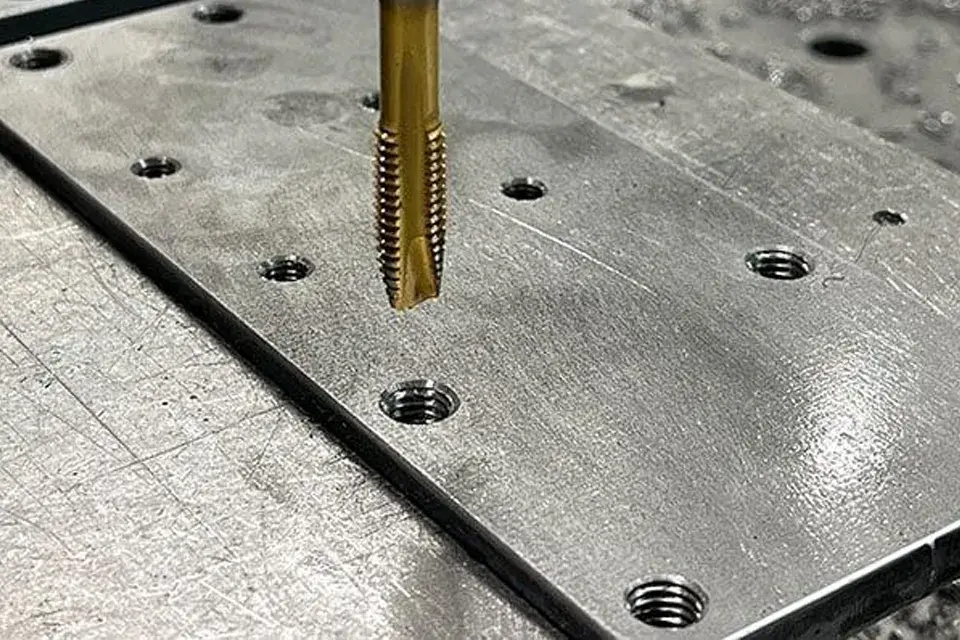
Vililong provides sheet metal tapping services for electrical enclosures, control panels, and industrial cabinets, supporting both standard production and custom OEM sheet metal projects.
Tapping is used to create internal threads in prepared holes, allowing screws and other threaded fasteners to be installed directly into suitable metal components.
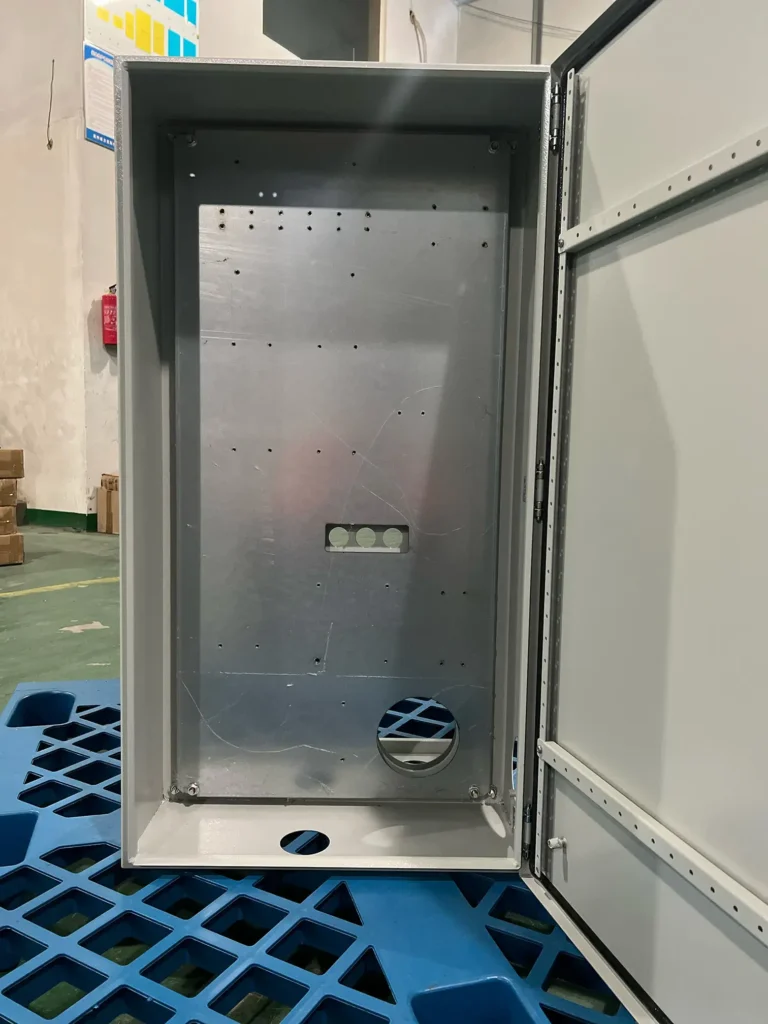
For electrical enclosure manufacturing, tapped holes are commonly used for mounting brackets, equipment supports, internal components, removable panels, and other fastening arrangements.
A threaded hole may look simple, but its position, thread size, engagement depth, and alignment can affect the final assembly.
That’s why we pay attention to both the machining process and the actual fit of the specified screws.
sheet metal tapping services in Vililong
Key Capabilities
-
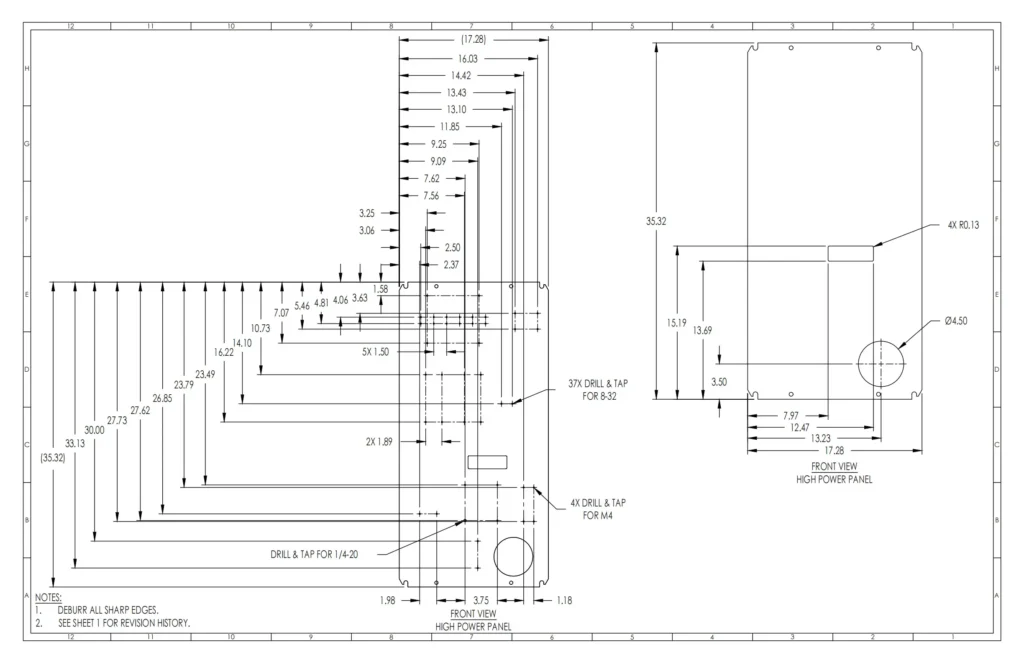
Custom threaded holes based on customer drawings and mounting requirements
-
Metric and imperial thread specifications, subject to material and design feasibility
-
Tapping for steel, galvanized steel, and stainless steel components
-
Threaded mounting points for brackets, panels, and enclosure accessories
-
Screw-fit verification to check thread engagement
-
Support for prototypes and batch production of custom enclosure components
Materials & Thickness
We work with commonly used electrical enclosure materials, including:
-
Carbon Steel (CRCA / Mild Steel)
-
Galvanized Steel (GI)
-
Stainless Steel (SUS304 / SUS316)
The suitable thread size depends on the material thickness, thread specification, required engagement, and intended fastening load.
For relatively thin sheet metal, direct tapping may not provide sufficient thread engagement.
In these situations, weld nuts, self-clinching nuts, threaded inserts, or other fastening solutions may be more appropriate.
We review the customer drawing and assembly requirements before recommending the fastening method.
Process Advantage
Accurate tapping helps ensure that screws can be installed properly during electrical enclosure assembly.
For example, a mounting hole may be correctly positioned, but if the thread is damaged or incorrectly specified, the customer may still be unable to install the intended component.
A threaded hole with insufficient engagement can also create problems when the fastener is tightened.
By coordinating tapping with laser cutting, CNC bending, welding, and final assembly, we can check threaded mounting requirements as part of the overall sheet metal manufacturing process.
Our approach is straightforward: make sure the threaded holes are suitable for the specified fasteners and the intended enclosure assembly.
Tapping Process Control
Tapping requires more than selecting a tap of the correct nominal diameter.
Hole preparation, thread specification, tool condition, alignment, and inspection all influence the result.
For electrical enclosure components, the following steps are important.
Thread Verification
Drawings, thread size and required depth
Hole Preparation
Hole size, location and burr removal
Tool & Process Setup
Tap selection, positioning and alignment
First Article Check
Thread condition and screw engagement
Batch Tapping
Thread integrity and in-process checks
Cleaning & Transfer
Chip removal, identification and assembly
Customization
We support customized tapping and threaded fastening arrangements based on project drawings.
Available customization includes:
-
Custom threaded hole positions and patterns
-
Metric and imperial thread specifications
-
Threaded mounting points for electrical components
-
Tapped holes in suitable mounting brackets and structural parts
-
Alternative fastening solutions for thin sheet metal
-
Threaded connections coordinated with enclosure assembly requirements
For some electrical enclosure designs, direct tapping is not necessarily the best solution.
If the sheet metal is too thin for the required thread engagement, we can review other options, such as adding a threaded nut or insert.
The final choice depends on the material thickness, required load, fastening method, and customer specifications.
Tapping Quality Inspection
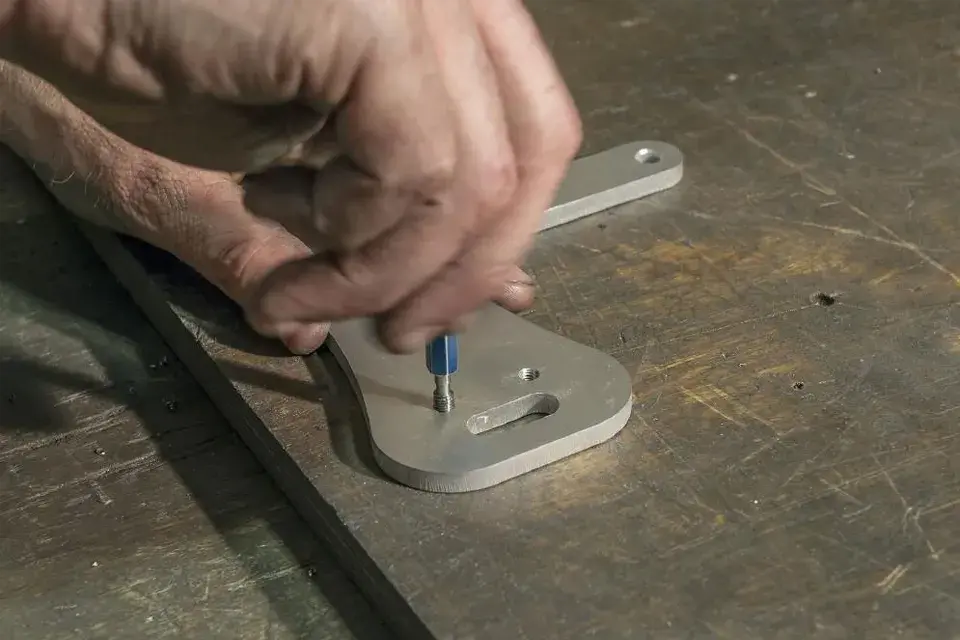
A threaded hole may appear correctly machined, but appearance alone does not confirm that a screw will fit properly.
An incorrect thread specification, damaged thread, or insufficient engagement may cause problems during cabinet assembly.
Our tapping inspection focuses on three main areas.
Thread Size & Specification
Thread designation, hole position and applicable requirements
Coating Thickness & Adhesion
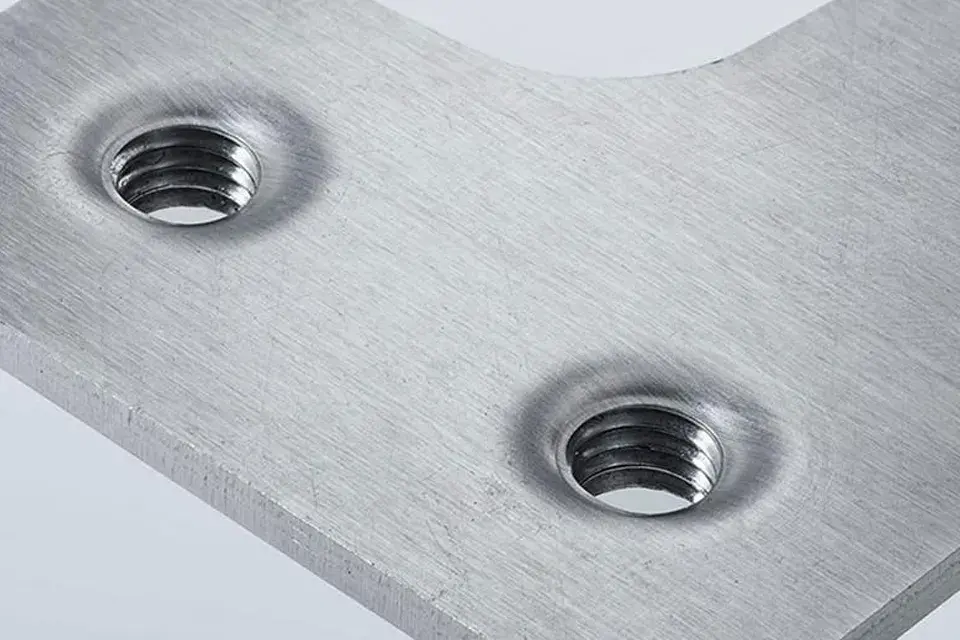
Thread damage, incomplete threads and burr inspection
Curing & Process Verification
Test-fitting a matching screw to verify thread engagement
If a nonconformity is identified, the affected parts are evaluated and reinspected before acceptance.
Our goal is to produce threaded mounting points that match the approved drawings and support reliable electrical enclosure assembly.
For more information about our inspection procedures, visit our Electrical Enclosure Quality Control page.
Electrical Enclosure Products We Process
Tapping and threaded fastening solutions are used across different electrical enclosure designs.
Depending on the project, they can support the installation of mounting brackets, support structures, removable panels, equipment accessories, and internal components.
The machining and fastening methods are selected according to material thickness, approved drawings, and assembly requirements.
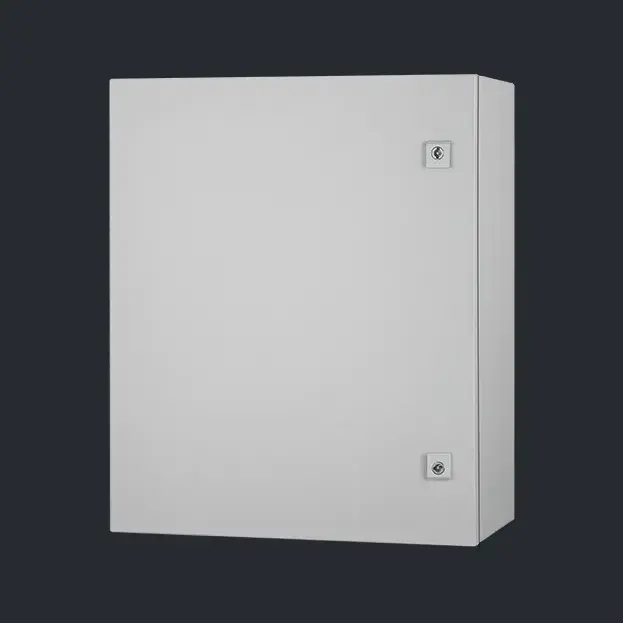
Wall Mounted Electrical Enclosures
Compact wall-mounted boxes for control panels, distribution systems, and industrial equipment protection.
View Details
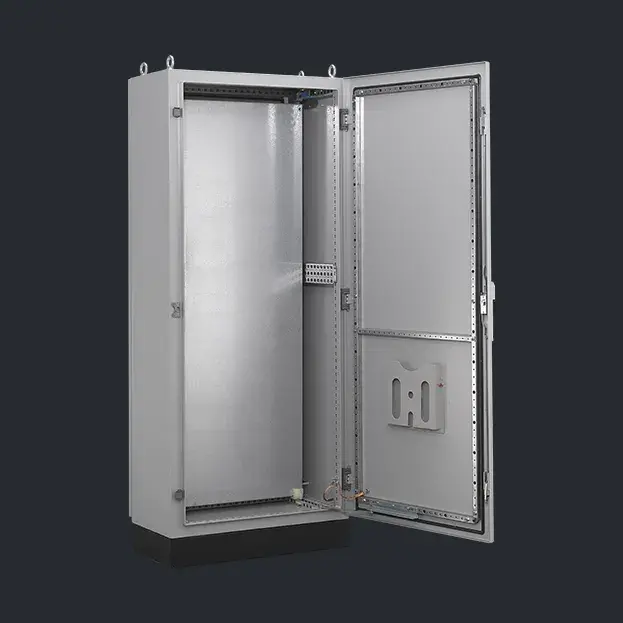
Freestanding Electrical Enclosures
Floor-standing cabinets for larger electrical systems, automation equipment, and power distribution projects.
View Details

Modular Electrical Enclosures
Modular frame enclosures with baying support for control cabinets, power distribution, and automation systems.
View Details
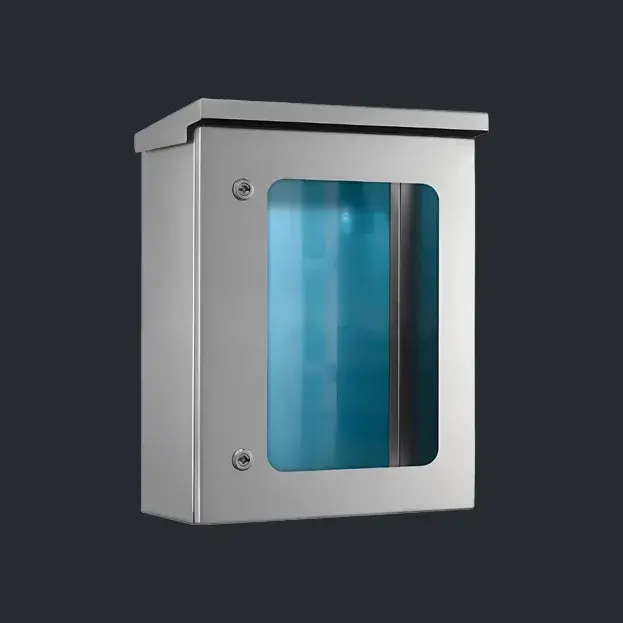
Stainless Steel Electrical Enclosures
SUS304 and SUS316 enclosures for corrosive, outdoor, or demanding industrial environments.
View Details
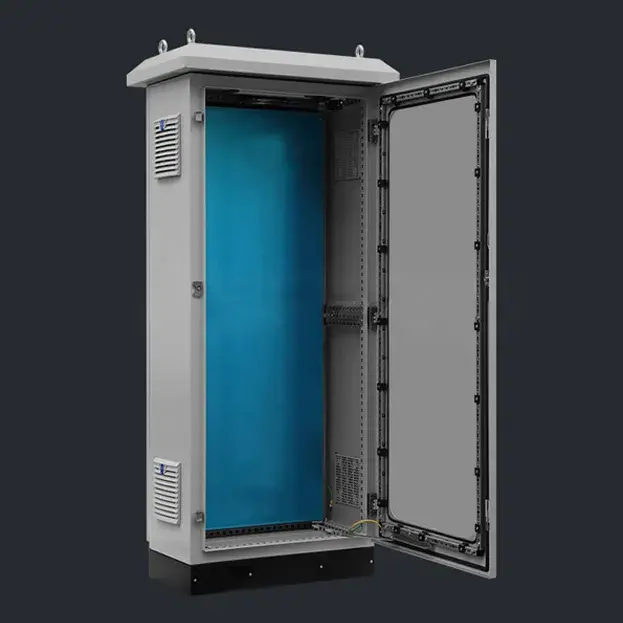
IP-Rated Electrical Enclosures
Sealed enclosure solutions designed for dustproof and waterproof protection requirements.
View Details
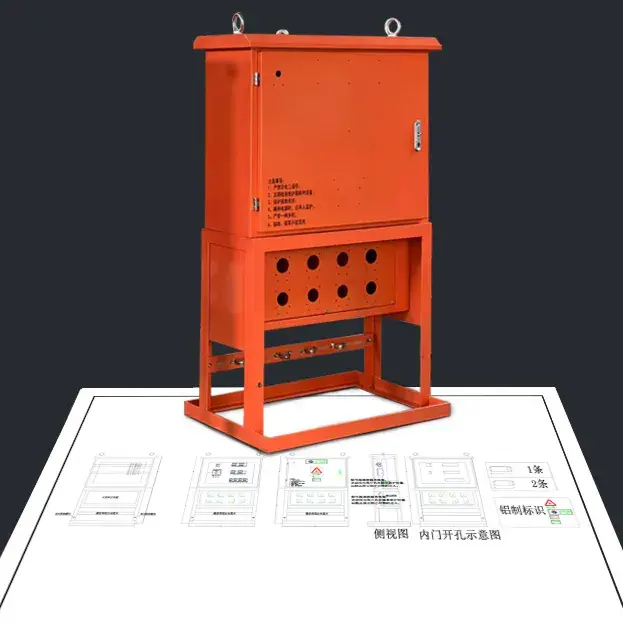
Custom Electrical Enclosures
Custom sheet metal enclosure fabrication based on DWG, STEP, PDF, or project drawings.
View Details
Related Manufacturing Capabilities
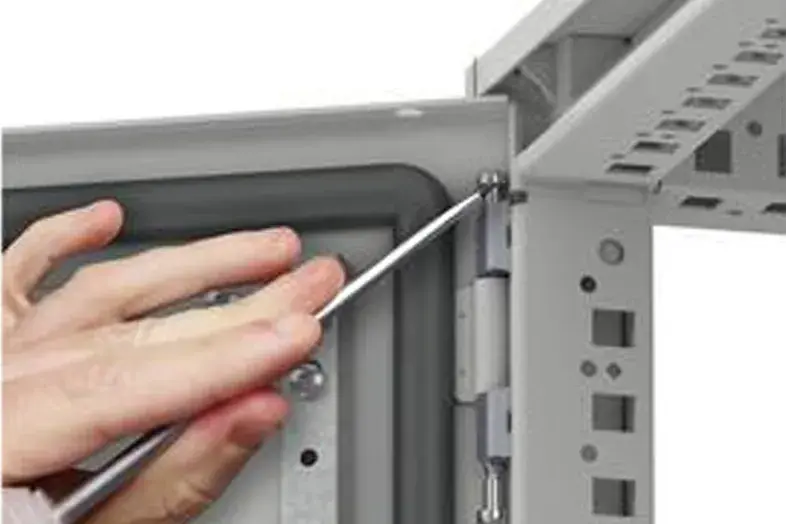
Enclosure Assembly for Electrical Enclosures
Tapping for Electrical Enclosures
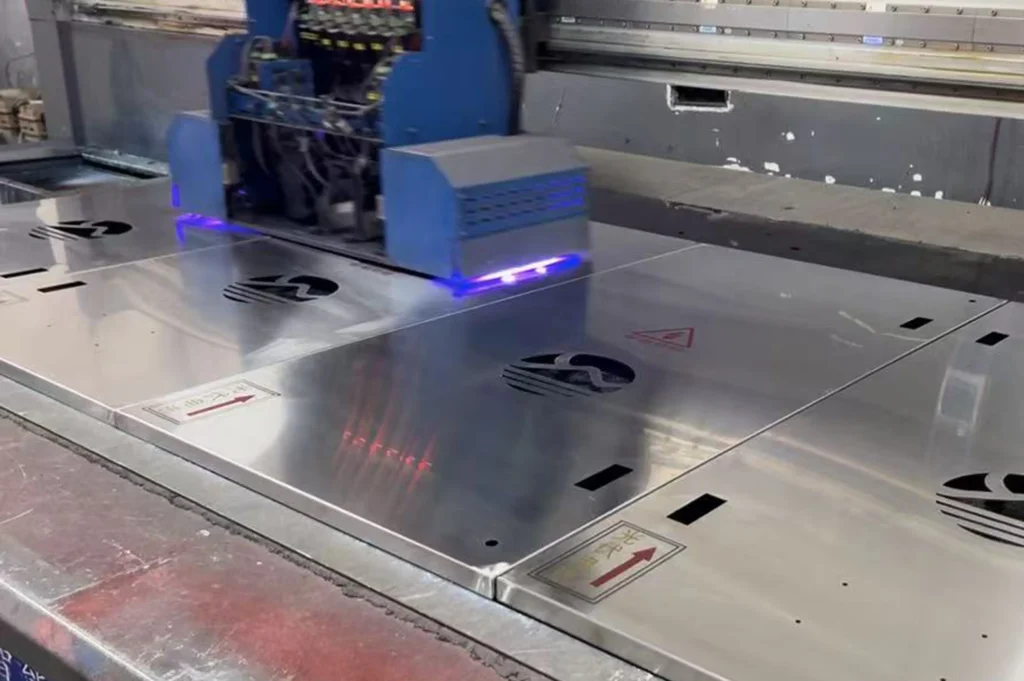
UV Printing for Electrical Enclosures
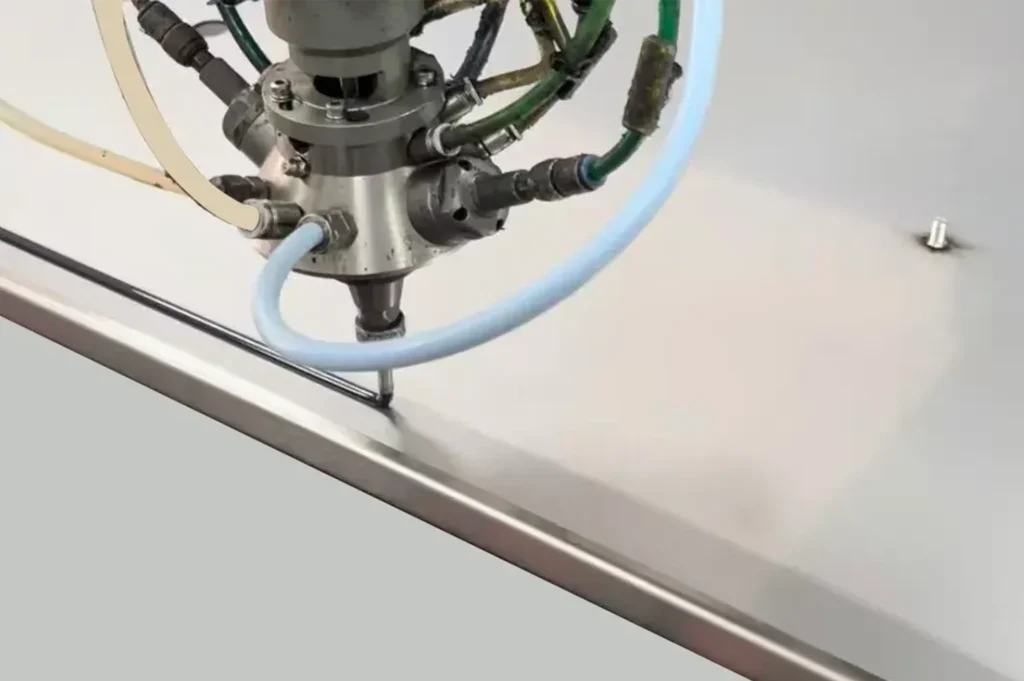
PU Foamed Gasket for Electrical Enclosures
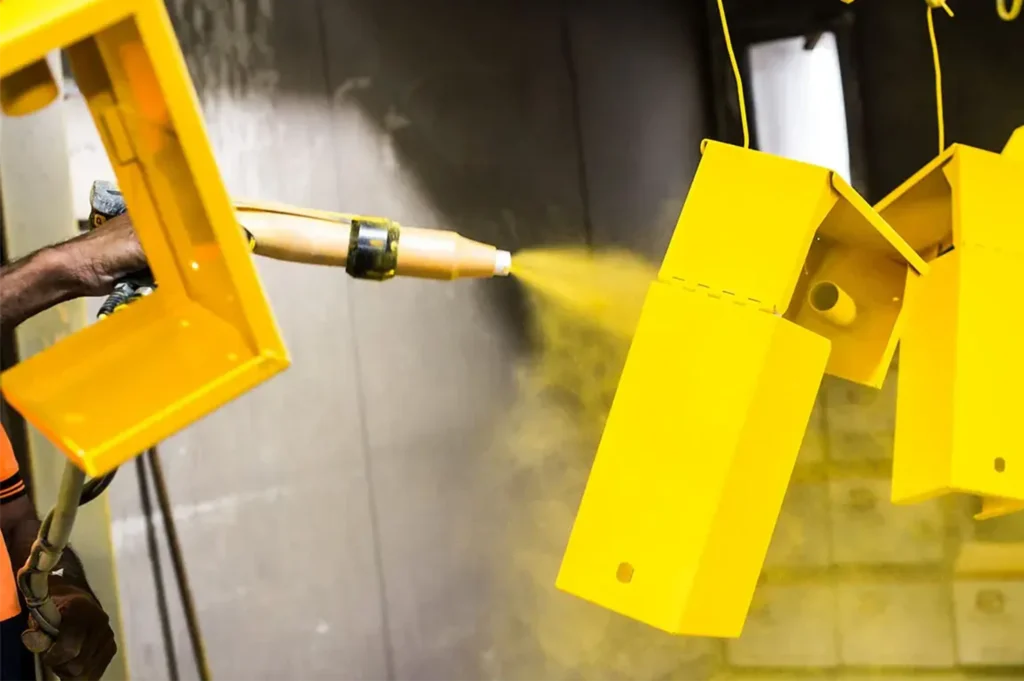
Surface Finishing for Electrical Enclosure
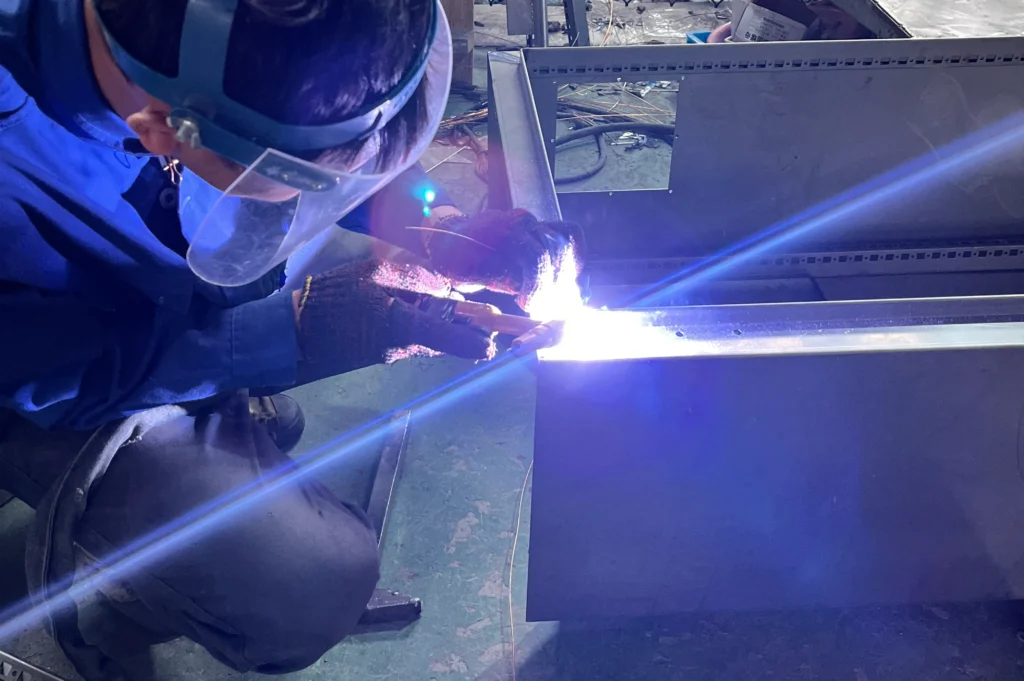
Welding for Electrical Enclosures
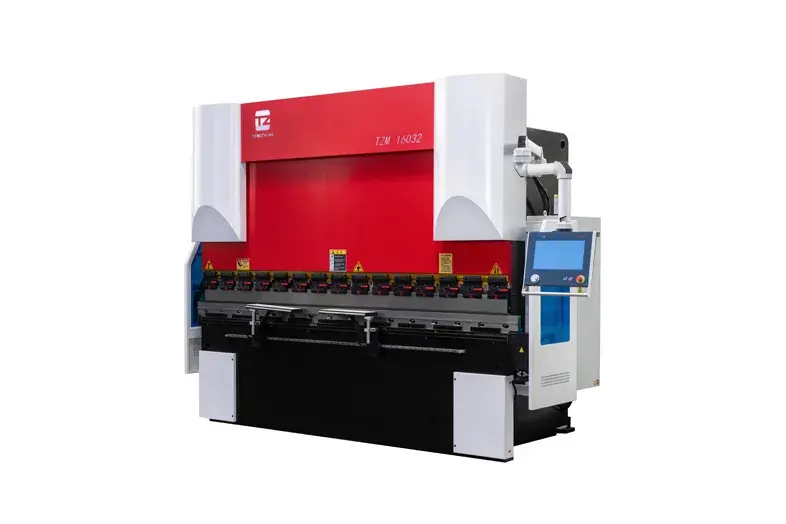
CNC Bending for Electrical Enclosure
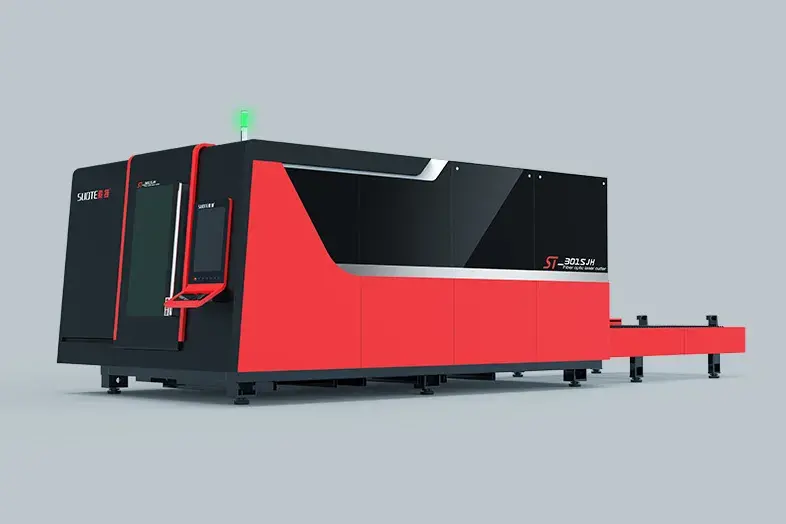
Laser Cutting for Electrical Enclosure
Professional Customer Electrical Enclosure Manufacturer
Brings Excellent Services
Our engineering team can recommend the best solution based on your application, environment, and budget.
Frequently Asked Questions
- What’s your company main products?
The main business is to provide customers with custom enclosure services, we also sell some General Boxes.
- How about the price of the product?
We are a manufacturer, we mainly provide customized services for our customers, and we believe that our prices have enough advantages.
- What does the enclosure customization service contain?
Box Sizes,Box Colors,Door Types,Gland Plates,Specific Cutouts,Moutning Plates,Protective Covers,Standing Types,Windows,Thickness,Accessories.
- Can we get the sample? Is it free?
Yes, we could offer the general box sample for free charge,but need you pay the express. The freight depends on weight, packing size and your country or province region, etc.
- What’s about MOQ?
First order MOQ=1pcs.
- How can I get product catalogs?
You can get the catalogs by contacting us.
- How to order our product?
1.Please tell us the model and quantity and other request you need.
2.We make the PI for you.
3.After you confirm the PI, we arrange the order for you after receiving your payment.
4.After the goods finished, we send the goods out to you and tell you the tracking number.
5.We will track your goods until you receive the goods.
- How about the after-sale service?
If you meet any problems after sales, pis contact us freely, we’ll help solving the problems within 24 hours.
- What’s the payment term?
100% T/T (large order, accept 30% T/T prepay 70% balance before shipping), Western Union, Paypal.