
Ventilated Electrical Enclosure Manufacturer
Custom ventilated electrical boxes and control cabinets with louvers, fan filters, rain hoods, and cable entry designs for heat dissipation in industrial electrical systems.
Our ventilated electrical enclosures are designed to house and protect electrical components in environments where heat buildup is a concern. Featuring integrated ventilation slots, louvers, or fan kits, these enclosures promote natural airflow and active cooling, making them perfect for indoor control panels, automation equipment, and power systems.
Whether you’re building industrial control cabinets or commercial power units, our ventilated steel enclosures ensure stable operation, extended equipment life, and easy maintenance.

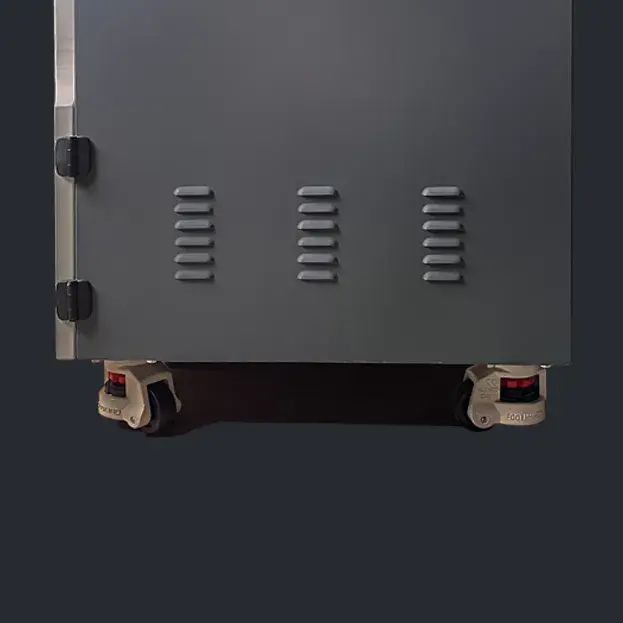
Ventilation Options for Electrical Enclosures
A ventilated electrical box is designed to prevent overheating of internal components by promoting airflow. Depending on the environment and heat load, there are three main ventilation methods used in enclosure design:
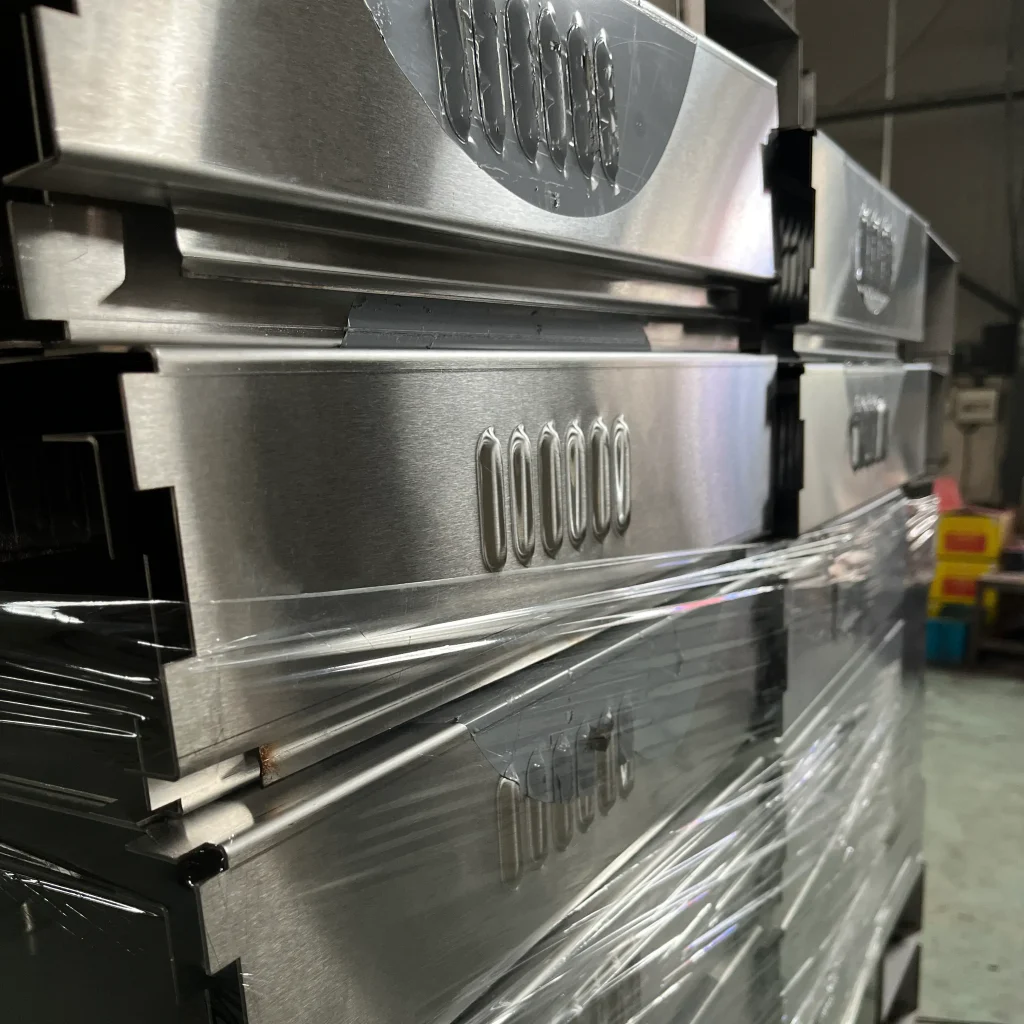
1. Natural Ventilation with Louvers
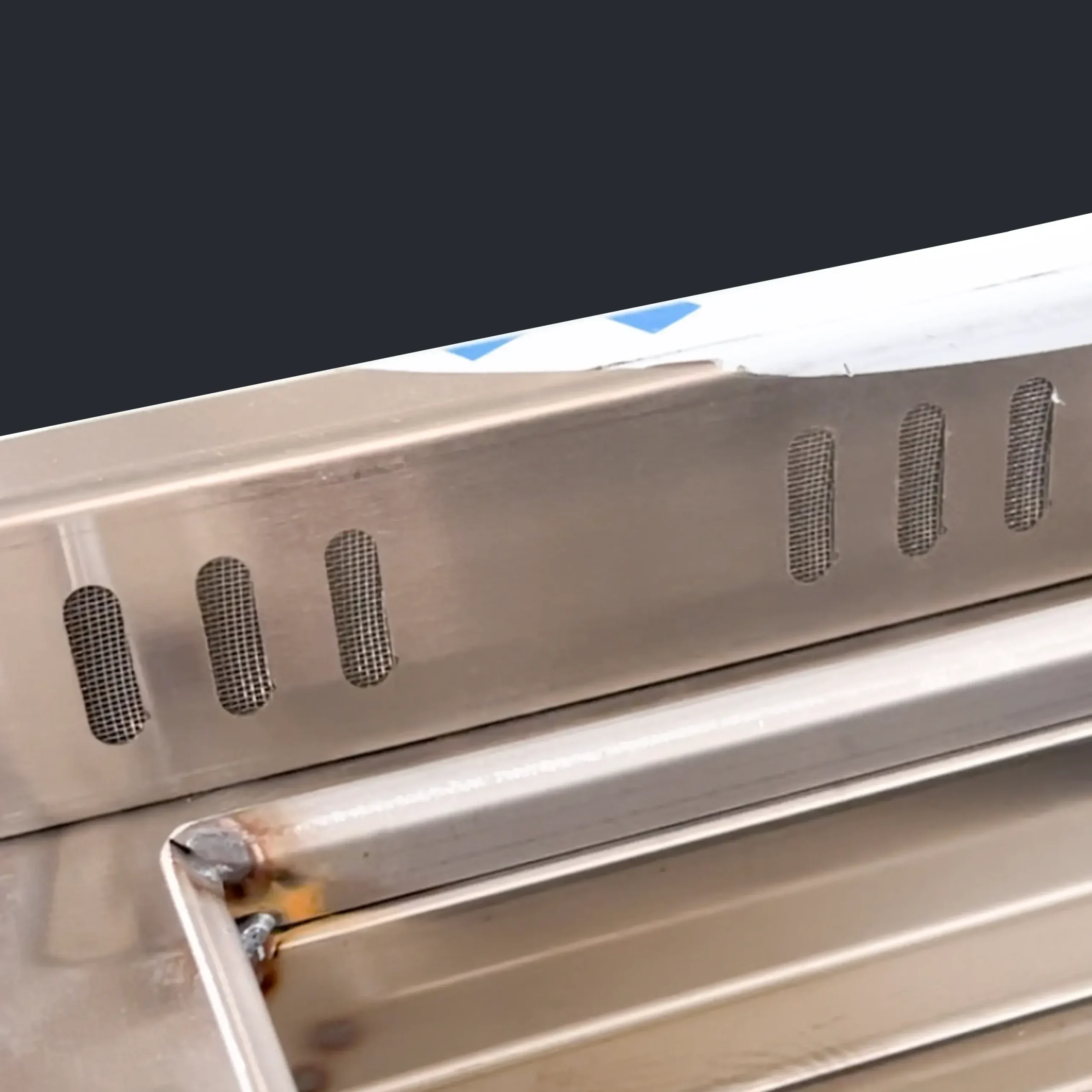
Natural ventilation uses side louvers, punched vents, or dust mesh openings to allow passive airflow inside the enclosure. It is suitable for low-heat applications where no powered cooling device is required.
Description:
This method relies on airflow through strategically placed vent holes or louvered openings, allowing hot air to escape and cooler air to enter — no electrical components involved.
Typical Features:
-
Side or top-mounted louvered vents
-
Optional dust mesh or insect filters
-
Lower cost and zero energy consumption
-
Commonly rated IP30 to IP44
Recommended For:
-
Indoor environments
-
Low-heat applications (e.g., signal boxes, sensor control units)


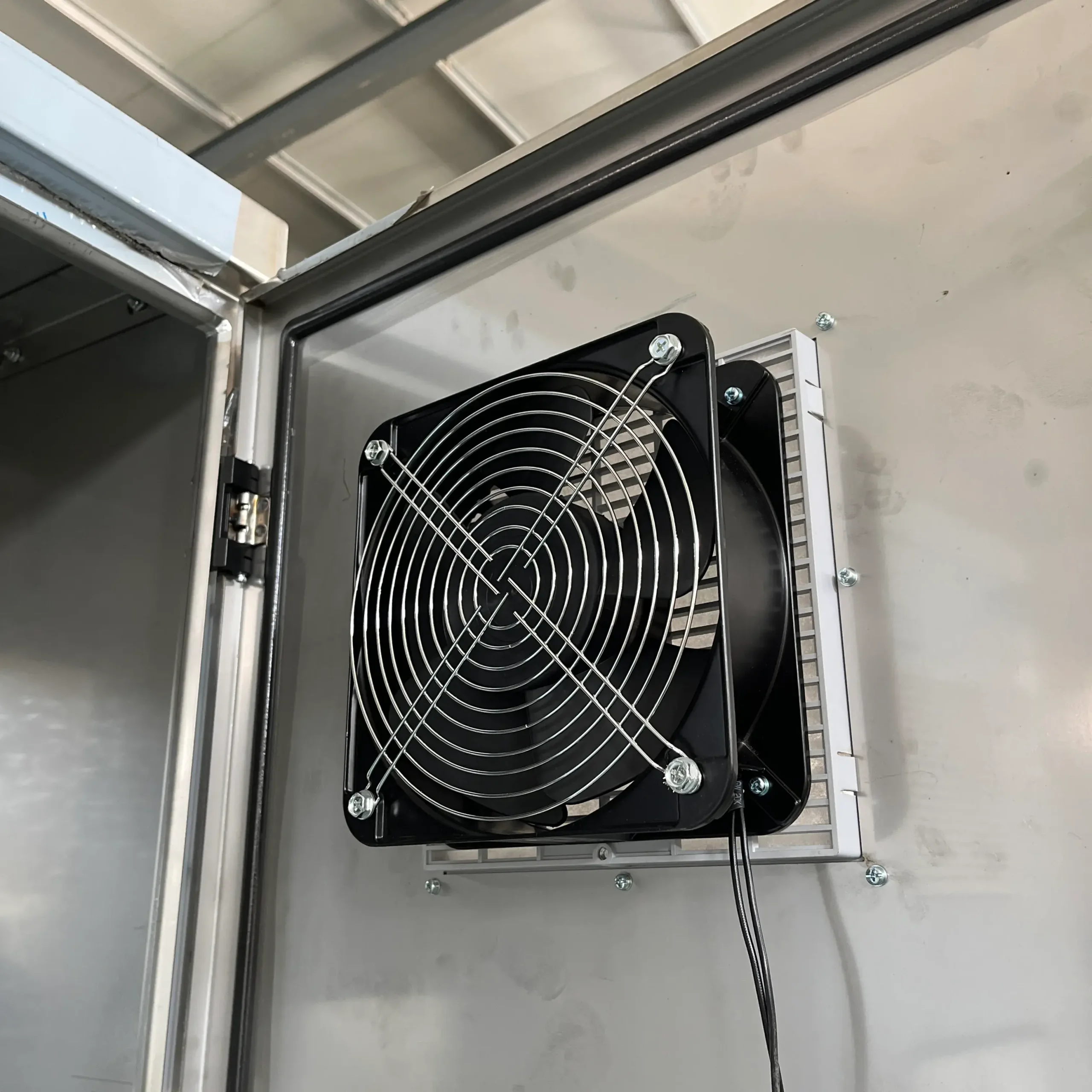
2. Forced Ventilation with Fan Filters
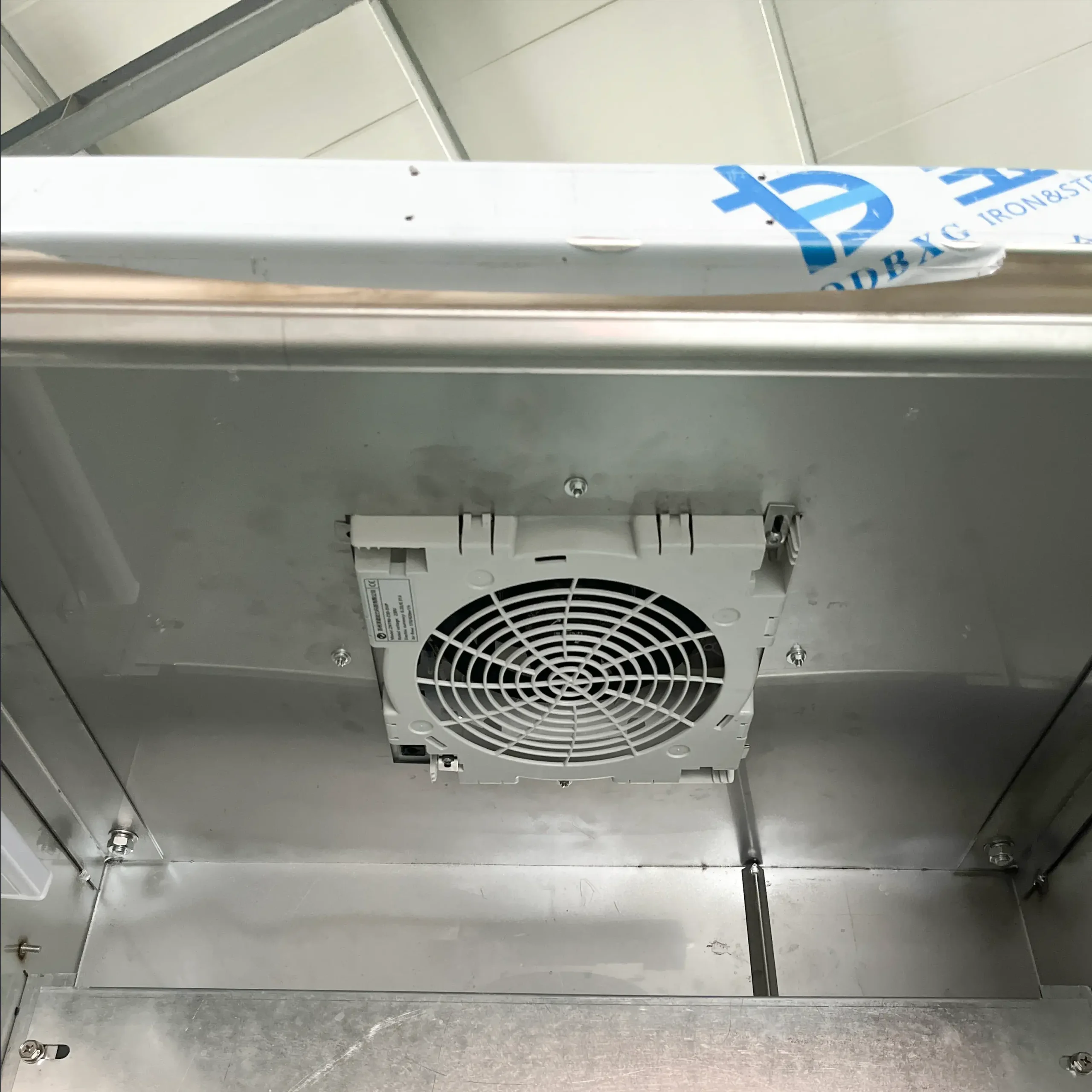
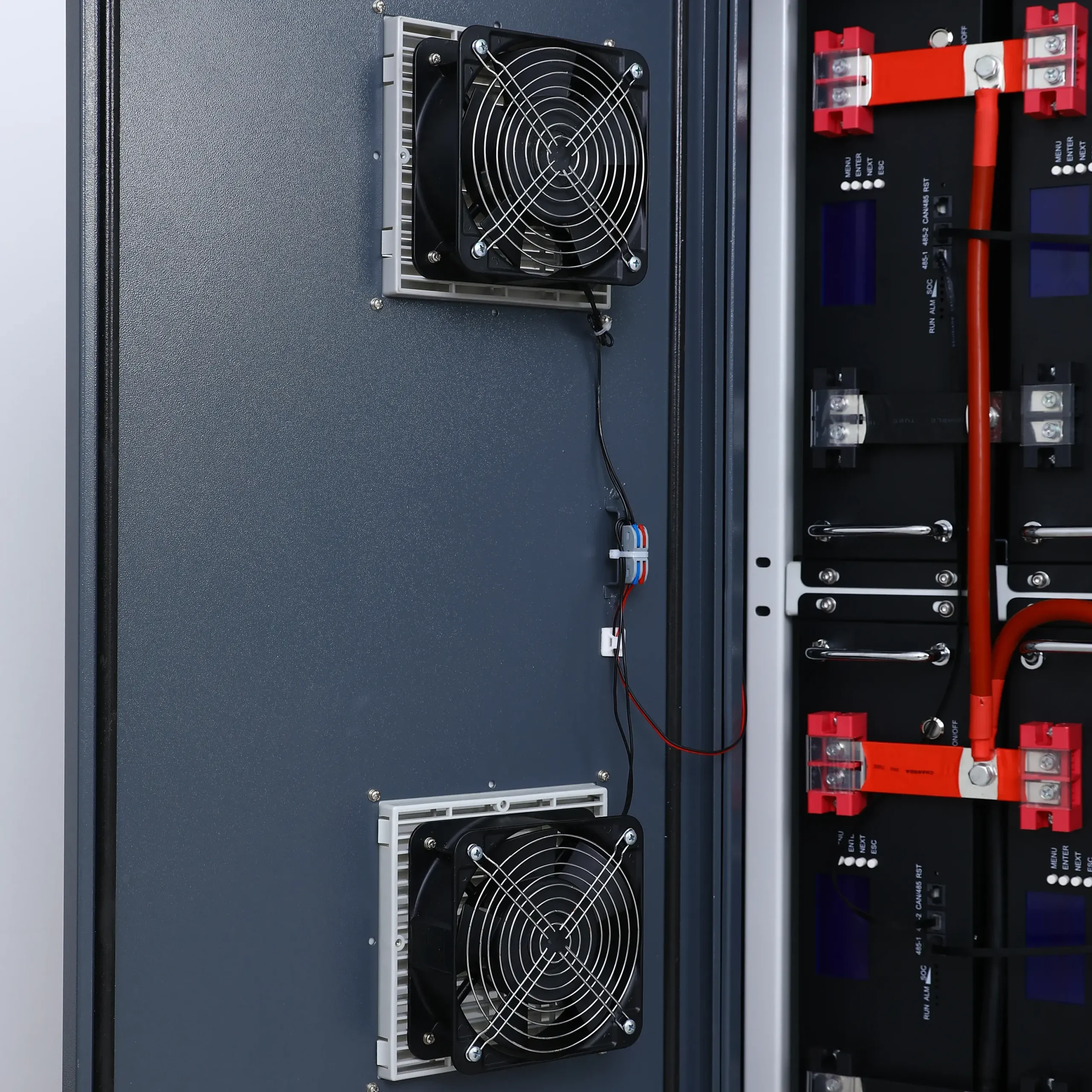
For higher heat loads, fan filter units can be installed on the enclosure door or side panel to improve airflow. This solution is commonly used for control panels, inverter cabinets, machine control systems, and automation enclosures.
Description:
In this method, exhaust fans and filter fans actively circulate air through the enclosure. It’s ideal for high-power systems that generate significant heat.
Typical Features:
-
Filter inlet fan (cool air in)
-
Exhaust fan (hot air out)
-
Optional thermostat-controlled fans
-
Protection rating typically IP54 / IP55
Recommended For:
-
Industrial control panels
-
Power cabinets and automation systems
-
High-temperature components (e.g., inverters, drives)

3. Outdoor Ventilation with Rain Hood Protection
For outdoor ventilated enclosures, rain hoods or protective covers help reduce direct rain entry while maintaining airflow. The final protection level depends on the louver design, filter structure, gasket, installation direction, and accessories used.
Description:
Combining passive or forced airflow with a protective rain hood, this design is ideal for outdoor or humid locations where water ingress is a concern.
Typical Features:
-
Rain hoods over vents or louvers
-
Downward-facing vents to prevent water entry
-
Filter mesh for dust protection
-
Maintains airflow while enhancing IP protection
Recommended For:
-
Outdoor installations
-
Coastal or high-humidity areas
-
Solar inverter boxes, outdoor power distribution
Comparison Table
| Ventilation Type | Power Required | Cost | Effectiveness | Ideal Usage |
|---|---|---|---|---|
| Natural Ventilation | No | ★ Low | ★★ Moderate | Indoor, low heat load |
| Forced Ventilation | Yes | ★★ Mid | ★★★ High | Industrial, high heat devices |
| Rain Hood + Ventilation | Optional | ★★ Mid–High | ★★★ High | Outdoor, waterproof setups |
When Do You Need a Ventilated Electrical Enclosure?
A ventilated electrical enclosure is recommended when internal electrical components generate heat during operation and the enclosure cannot rely only on natural heat dissipation. Common examples include control panels with inverters, power supplies, relays, PLC systems, transformers, communication devices, and outdoor distribution equipment exposed to high ambient temperatures.
| Specification | Options |
|---|---|
| Product Type | Wall mounted enclosure, free standing enclosure, modular enclosure |
| Material | Carbon Steel, galvanized steel, stainless steel 304 / 316 |
| Surface Finish | Powder coating, brushed stainless steel |
| Standard Color | RAL7035, RAL7032, custom RAL colors |
| Protection Rating | IP54, IP55, IP65,IP66 depending on design |
| Structure | Single door, double door, modular frame, mounting plate |
| Accessories | Plinth, gland plate, fan filter, locks, hinges, rain canopy |
| Customization | Size, holes, cutouts, mounting rails, logo, packaging |
Important Design Notes for Ventilated Enclosures
Ventilation openings may affect the final IP protection rating of an electrical enclosure. For outdoor or dusty environments, the ventilation design should be matched with suitable fan filters, rain hoods, dust mesh, gaskets, and installation direction. Vililong can customize the enclosure structure according to your airflow requirement, protection rating target, and installation environment.
Custom Ventilated Electrical Enclosures for Your Project
Customization Process
0. Consultation (Optional)
Discuss project requirements, application conditions, and enclosure recommendations.
1. Submit Your Design
DWG, STEP, PDF, or even a sketch — we accept all formats and provide quick feasibility checks.
2. Technical Evaluation
Our engineers review structure, materials, cutouts, and protection level requirements, offering optimization if needed.
3. Prototyping & Sampling
Prototype or small-batch samples are produced to verify dimensions, fitment, strength, and surface finishing quality.
4. Mass Production
After approval, full-scale fabrication begins—laser cutting, bending, welding, assembly, and coating under strict QC.
5. Packing & Delivery
Finished enclosures are inspected, packaged with protective materials, and shipped globally by sea or air.
Custom Options
- Size
Custom width, height, and depth tailored to your installation and component layout needs.
- Color
Industrial-grade RAL powder coating for safety identification and corrosion resistance.
- Material types & Thickness
Cold-rolled steel, stainless steel, galvanized steel, or aluminum with selectable thickness based on strength and protection requirements.
- Door and hinge Types
Single-door, double-door, reinforced door designs, concealed or lift-off hinges.
- Door Locks
Quarter-turn locks, key locks, padlockable handles, and compression latches.
- View Windows
Polycarbonate or tempered-glass viewing windows for safe equipment monitoring.
- Mounting Plate
Custom mounting plates for breakers, relays, contactors, and internal components.
- UV Printing
Durable UV printing for labels, warnings, logos, or control panel markings.
- Enclosure Rating
IP54 / IP55 / IP65 /IP66 and NEMA protection levels based on sealing design and environment.
- Accessories
Cooling fans, ventilation louvers, lighting, brackets, cable glands, document holders, etc.
- Cutouts & Machining
Laser-cut openings for switches, displays, connectors; CNC machining for precision interfaces.
- Surface Finishing Options
Powder coating, spraying, galvanizing, brushing, polishing, and anti-corrosion treatments.
Why Choose Vililong for Ventilated Electrical Enclosures
Professional Sheet Metal Fabrication
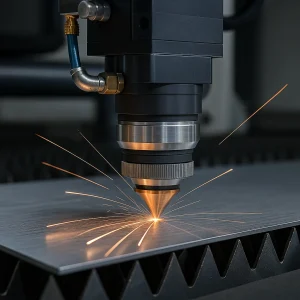
We are a factory with years of experience in sheet metal enclosure manufacturing, equipped with advanced laser cutting, bending, and welding machines. From small junction boxes to large power cabinets, our in-house capabilities ensure consistent quality and fast delivery.

Optimized for Thermal Management
Our ventilated electrical enclosures are specially designed for effective airflow and heat dissipation. Whether using louvers, filter fans, or rain hoods, each design is tested to ensure optimal internal temperature control for your components.

Full Customization Available
We understand that every project is unique. That’s why we offer:
-
Custom dimensions and layouts
-
Cutouts for fans, cables, meters, and more
-
Optional filter kits, rain covers, and anti-dust mesh
-
OEM branding: silk-screened or laser-engraved logos
Just send us your drawings—or we’ll help create them.

Flexible MOQ for Custom Projects
Whether you need 1 prototype or 500 units, we accommodate your order size. Our flexible minimum order quantity (MOQ) makes us a perfect partner for startups, integrators, or OEMs with varying production scales.

Pickling & Phosphating Treatment for Steel Enclosures
Pickling and phosphating is a critical pretreatment process used in the surface preparation of metal components, especially before powder coating or painting. This process improves the corrosion resistance and enhances paint adhesion, ensuring the durability and performance of the final product.
-
Pickling involves the use of acid solutions (commonly hydrochloric or sulfuric acid) to remove surface rust, scale, and oxides from mild steel or carbon steel sheets.
-
Phosphating is a chemical conversion process that forms a thin, insoluble layer of phosphate crystals on the metal surface. This phosphate coating improves surface roughness for better paint adhesion and provides mild corrosion protection.
Frequently Asked Questions About Ventilated Electrical Enclosures
- What is a ventilated electrical enclosure used for?
A ventilated enclosure is designed to house electrical or electronic components that generate heat. It features louvers, vents, or fan openings that promote airflow and prevent overheating, making it ideal for control panels, power supplies, and automation systems.
- Can I use a ventilated enclosure outdoors?
Yes, but it must be designed specifically for outdoor use. We offer ventilated enclosures with rain hoods and filter kits that provide airflow while protecting against water and dust. Always check the IP rating before installing in outdoor environments.
- Do your enclosures come with fans and filters?
By default, most ventilated enclosures come with louvered vents. However, we offer optional accessories such as fan filter kits, exhaust fans, thermostats, and dust mesh upon request. Custom fan cutouts can also be added during production.
- What is the standard material and coating?
Our enclosures are made from cold-rolled mild steel, finished with RAL7035 polyester powder coating. This provides strong protection against scratches, corrosion, and humidity. Stainless steel versions are also available for harsher environments.
- Can you customize the size and ventilation layout?
Absolutely. We support full OEM customization, including:
-
Custom dimensions
-
Fan cutouts, louver patterns, and side openings
-
Logo printing or engraving
-
Mounting accessories (e.g., rain hoods, brackets)
-
- What IP rating should I choose for a ventilated enclosure?
Ventilated enclosures typically range from IP30 to IP55, depending on whether they use louvers or fan kits.
-
For indoor use, IP30–IP44 is often sufficient.
-
For semi-outdoor or dusty environments, we recommend IP54 or IP55 with filters and rain protection.
-
- How do I install a filter fan or exhaust fan?
Our enclosures can be ordered with pre-cut fan openings, making installation easy. We also supply matched fan kits with mounting hardware, filters, and protective covers. Installation instructions are included with each order.
- Do you offer stainless steel ventilated enclosures?
Yes. For environments with high humidity, chemicals, or salt spray (e.g., food processing or coastal areas), we recommend SUS304 or SUS316 stainless steel enclosures with customized ventilation solutions.
- Can I request a prototype before bulk order?
Yes, we offer prototyping services for custom projects. You can test dimensions, cutouts, and ventilation features before placing a mass production order. This is ideal for OEM and system integrator clients.
- What industries commonly use ventilated enclosures?
-
Industrial automation
-
HVAC systems
-
Solar inverter & battery storage
-
Machine control systems
-
Communication equipment and routers
-
Professional Ventilated Electrical Enclosure Manufacturer
Brings Excellent Services
- What’s your company main products?
The main business is to provide customers with custom enclousure services, we also sell some General Boxes.
- How about the price of the product?
We are a manufacturer, we mainly provide customized services for our customers, and we believe that our prices have enough advantages.
- What does the enclosure customization service contain?
Box Sizes,Box Colors,Door Types,Gland Plates,Specific Cutouts,Moutning Plates,Protective Covers,Standing Types,Windows,Thickness,Accessories.
- Can we get the sample? Is it free?
Yes, we could offer the general box sample for free charge,but need you pay the express. The freight depends on weight, packing size and your country or province region, etc.
- What’s about MOQ?
First order MOQ=1pcs.
- How can I get product catalogs?
You can get the catalogs by contacting us.
- How to order our product?
1.Please tell us the model and quantity and other request you need.
2.We make the PI for you.
3.After you confirm the PI, we arrange the order for you after receiving your payment.
4.After the goods finished, we send the goods out to you and tell you the tracking number.
5.We will track your goods until you receive the goods.
- How about the after-sale service?
If you meet any problems after sales, pis contact us freely, we’ll help solving the problems within 24 hours.
- What’s the payment term?
100% T/T (large order, accept 30% T/T prepay 70% balance before shipping), Western Union, Paypal.