
Enclosure Ventilation Methods: How to Keep Your Electrical Equipment Cool and Protected
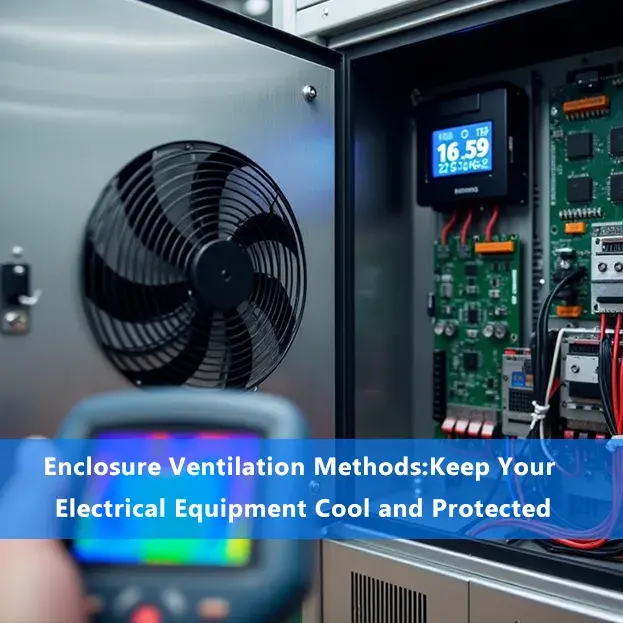
Temperature can dramatically impact your electrical components. A mere 10°C increase above rated temperature will cut their lifespan by half.
Your electrical devices might be rated for operation up to 60°C (140°F), but proper cabinet ventilation is vital to prevent equipment failures. Most industrial facilities keep their electrical cabinet cooling systems under 37°C (100°F) to maintain reliable operation. Natural ventilation alone can’t cool today’s heat-generating electronic equipment effectively.
The right electrical cabinet ventilation strategy makes all the difference. Your choice between electrical cabinet cooling fans and advanced climate control systems can determine whether you get optimal performance or face expensive equipment replacement.
We’ll show you everything about designing a cabinet ventilation system that works. This system will protect your valuable equipment and help you save on maintenance costs.


Assessing Your Cabinet Cooling Needs
Your cabinet cooling needs assessment should start with a clear understanding of heat sources affecting electrical equipment. Temperature management is vital since studies show excessive heat can damage electronic components and reduce their lifespan. Research shows that equipment life expectancy drops by half with every 10°C increase above the rated temperature limit.
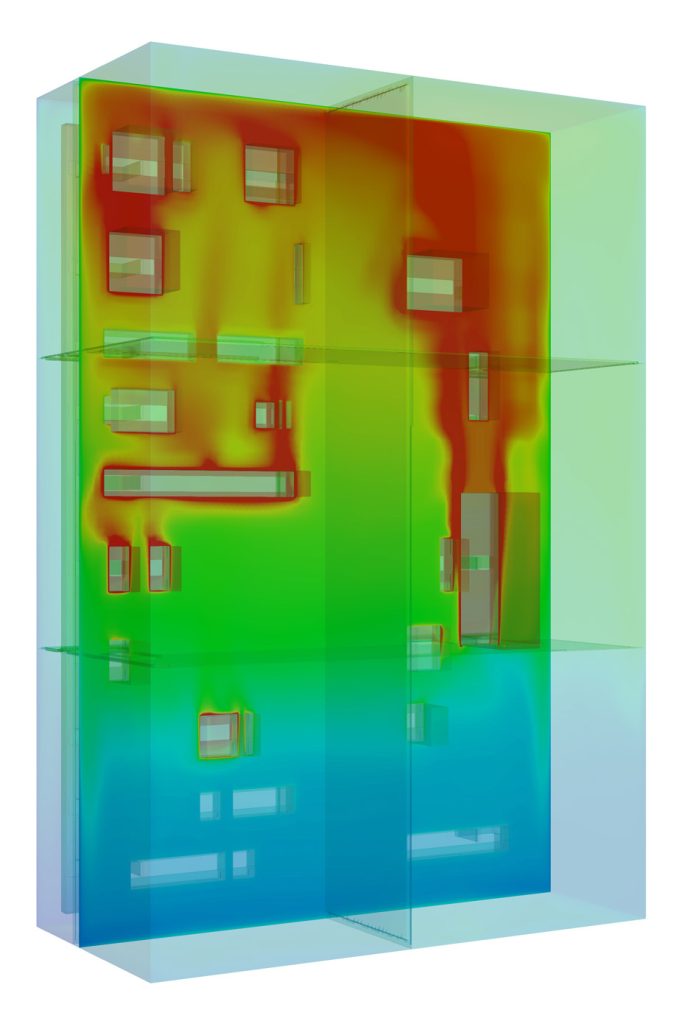
You must calculate the total heat load before choosing a ventilation solution. This calculation has two main components: internal heat load and heat transfer load. The internal heat load comes from all components inside the enclosure. Your enclosure has heat from power supplies, servo motors, AC drives, transformers, PLCs, and communication equipment. Power conversion equipment like variable frequency drives generate substantial heat based on their efficiency rating.
Heat transfer load happens when the enclosure’s exterior surface interacts with ambient air, causing heat gain or loss. You can calculate this using the formula QX = kAΔT, where k is the heat transfer coefficient, A is the surface area, and ΔT represents the temperature difference between internal and external environments.
External environmental factors play a significant role in cabinet ventilation assessment. These factors include maximum ambient temperature, dust levels, risk of corrosion, exposure to water, and humidity conditions. Solar radiation adds by a lot to the total heat load for outdoor cabinets, so you should minimize it with proper shielding.
Your target temperature should be about 20°F below your equipment’s maximum allowable temperature. Electronic control equipment typically runs safely at temperatures between 110-125°F. Some manufacturers allow higher temperatures with derating factors. All the same, keeping cabinet temperatures at or slightly under 80°F will give you the best performance and longest life.
A full picture prevents common cooling problems like overheating, which shows up as charred components, burn marks, delamination, or burning smells. By carefully evaluating and calculating your cabinet’s cooling needs, you can pick the right ventilation solution that will protect your electrical equipment and make it last longer.
Electrical Cabinet Cooling Fan Systems
In this paragraph, we’ll explore the most common and effective enclosure ventilation methods, helping you choose the right solution based on your environment, application, and enclosure type.
1. Natural Ventilation
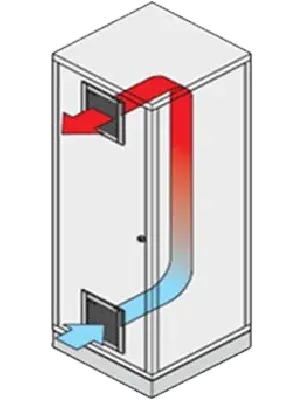
Natural ventilation relies on air flow through strategically placed openings or louvered vents. It doesn’t use active fans, which makes it cost-effective and maintenance-free.
Ideal for:
-
Mild environments
-
Non-sealed enclosures
-
Indoor applications
Key products:
-
Louvered vent panels
-
Ventilation grills with insect screens

2. Filtered Fan Systems
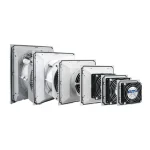
Filtered fans draw in cooler ambient air while filtering out dust and debris. They are often installed in a push-pull configuration (fan + exhaust vent) to maintain constant air circulation.
Advantages:
-
Affordable active cooling
-
Keeps dust out
-
Easy to install
Common Applications:
-
Electrical control panels
-
Wall-mounted enclosures
-
Indoor automation cabinets
Note: Always select fans and filters rated for your enclosure’s IP rating requirements.
3. Heat Exchangers
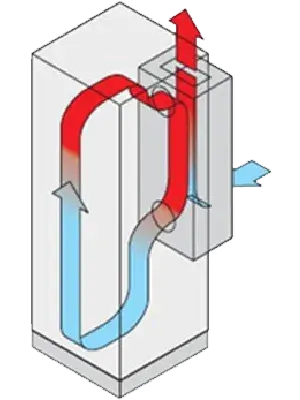
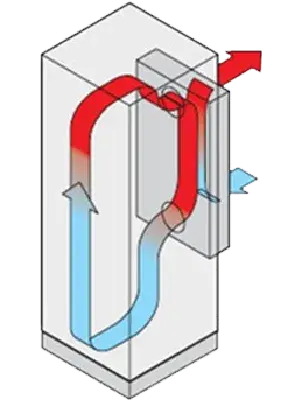
Air-to-air heat exchangers use two separate air circuits (internal and external) to transfer heat without mixing the two environments. This is useful when the internal electronics must remain in a clean or sealed environment.
Benefits:
-
Ideal for sealed enclosures (e.g., IP66/IP67)
-
No internal contamination
-
Energy-efficient compared to AC cooling
4. Air Conditioners (AC Units)
Enclosure air conditioners provide precise climate control, especially in harsh, hot, or outdoor environments where natural or fan cooling is insufficient.
Perfect for:
-
Outdoor enclosures
-
High-density power systems
-
Solar energy or energy storage cabinets
Downside: Higher cost and maintenance, but necessary for temperature-sensitive equipment.


Ready to Optimize Your Enclosure with Ventilation?
At Vililong, we provide customized enclosure solutions with professional ventilation designs — from louvered vents to IP-rated filtered fan kits and outdoor-ready cooling systems.
🚀 Whether you’re building for industrial automation, power distribution, or energy storage, we’ve got you covered.
👉 Contact Us Now to get expert advice and fast quotations.
📥 Request a Quote | 📄 Download Specifications
Professional Enclosure Panel Manufacturer
Brings Excellent Services
How Can We Help Your Business?
What’s your company main products?
The main business is to provide customers with custom enclousure services, we also sell some General Boxes.
How about the price of the product?
We are a manufacturer, we mainly provide customized services for our customers, and we believe that our prices have enough advantages.
What does the enclosure customization service contain?
Box Sizes,Box Colors,Door Types,Gland Plates,Specific Cutouts,Moutning Plates,Protective Covers,Standing Types,Windows,Thickness,Accessories.
Can we get the sample? Is it free?
Yes, we could offer the general box sample for free charge,but need you pay the express. The freight depends on weight, packing size and your country or province region, etc.
What’s about MOQ?
First order MOQ=1pcs.
How can I get product catalogs?
You can get the catalogs by contacting us.
How to order our product?
1.Please tell us the model and quantity and other request you need.
2.We make the PI for you.
3.After you confirm the PI, we arrange the order for you after receiving your payment.
4.After the goods finished, we send the goods out to you and tell you the tracking number.
5.We will track your goods until you receive the goods.
How about the after-sale service?
If you meet any problems after sales, pis contact us freely, we’ll help solving the problems within 24 hours.
What’s the payment term?
100% T/T (large order, accept 30% T/T prepay 70% balance before shipping), Western Union, Paypal.
Related Blog

Why Overall Dimensions Are Not Enough for Electrical Enclosure Quotation
2026-09-05
What to Do If Electrical Enclosure Cutout Sizes Do Not Match Components on Site
2026-08-29
VFD Enclosure Cooling: Fan or Air Conditioner? Choosing the Wrong Solution Can Cause Overheating Problems
2026-08-09
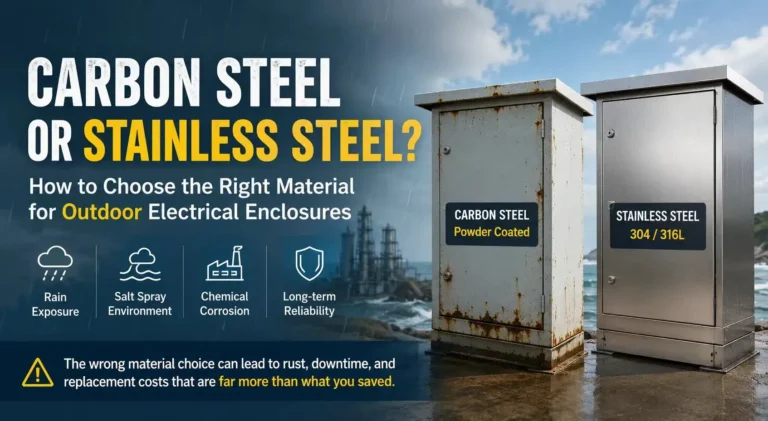
Carbon Steel or Stainless Steel for Outdoor Electrical Enclosures? We’ve Seen What Happens When the Wrong Material Is Used
2026-08-07