
The Ultimate Guide to Junction Box Enclosures: Protecting Your Electrical Connections


In the realm of electrical installations, junction box enclosures play a crucial role in safeguarding connections and components from environmental hazards and physical damage. These protective housings are essential for maintaining the integrity and safety of electrical systems across various industries and applications. From residential wiring to industrial control panels, junction box enclosures serve as the first line of defense against moisture, dust, and other potentially harmful elements.
As technology advances and electrical systems become more complex, the demand for robust and versatile junction box enclosures continues to grow. Manufacturers are constantly innovating to meet the evolving needs of the market, offering a wide range of enclosure types, materials, and features to suit diverse applications. This comprehensive guide will delve into the world of junction box enclosures, exploring their types, applications, selection criteria, and best practices for installation and maintenance.
Whether you’re an electrical contractor, facility manager, or DIY enthusiast, understanding the nuances of junction box enclosures is crucial for ensuring the longevity and reliability of your electrical systems. Let’s embark on this journey to uncover the intricacies of these essential protective devices and learn how to make informed decisions when it comes to selecting and utilizing junction box enclosures in your projects.
Types of Junction Box Enclosures
Junction box enclosures come in a variety of shapes, sizes, and materials to accommodate different environmental conditions and application requirements. Understanding the various types available can help you choose the most suitable enclosure for your specific needs. Let’s explore some of the most common types of junction box enclosures:
Metallic Enclosures
Junction box enclosures come in a variety of shapes, sizes, and materials to accommodate different environmental conditions and application requirements. Understanding the various types available can help you choose the most suitable enclosure for your specific needs. Let’s explore some of the most common types of junction box enclosures:
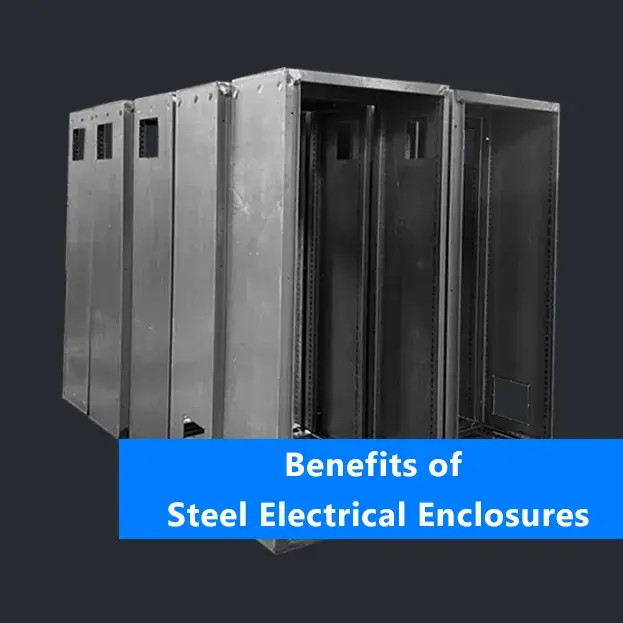
Steel Enclosures:
- Provide excellent protection against physical impacts
- Offer good electromagnetic shielding properties
- Suitable for indoor and some outdoor applications
- Available in various finishes for corrosion resistance
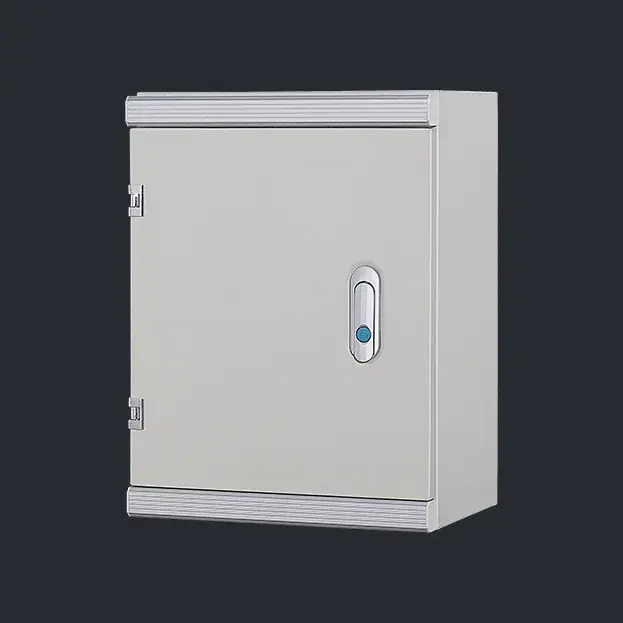
Aluminum Enclosures
- Lightweight yet durable
- Naturally corrosion-resistant
- Excellent heat dissipation properties
- Ideal for outdoor and marine environments
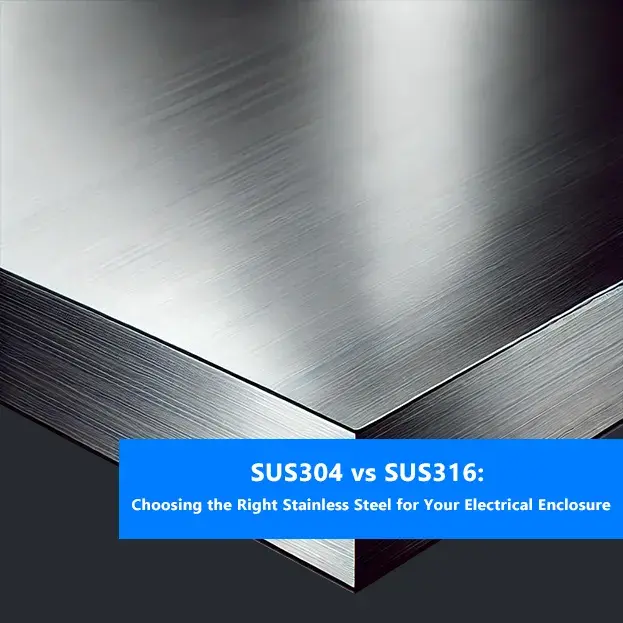
Stainless Steel Enclosure
- Highly resistant to corrosion and chemicals
- Suitable for harsh environments and food processing industries
- Maintain their appearance over time
- Offer superior strength and durability
Non-Metallic Enclosures
Non-metallic junction box enclosures have gained popularity in recent years due to their lightweight nature, corrosion resistance, and cost-effectiveness. Common materials used for non-metallic enclosures include:
- Polycarbonate:
- Impact-resistant and durable
- Transparent options available for easy inspection
- Suitable for both indoor and outdoor applications
- Resistant to UV radiation and weathering
- Fiberglass Reinforced Polyester (FRP):
- Excellent chemical and corrosion resistance
- High strength-to-weight ratio
- Suitable for harsh environments and outdoor installations
- Non-conductive and radio-frequency transparent
- ABS Plastic:
- Economical and lightweight
- Good impact resistance and dimensional stability
- Suitable for indoor applications
- Easy to modify and customize
- PVC:
- Highly resistant to chemicals and moisture
- Economical and easy to work with
- Suitable for underground and wet locations
- Available in various sizes and configurations
Non-metallic enclosures offer advantages such as ease of installation, resistance to corrosion, and electrical insulation properties. They are particularly well-suited for applications in corrosive environments or where weight is a concern.
Specialized Enclosures
In addition to standard metallic and non-metallic enclosures, there are specialized junction box enclosures designed for specific applications and environments:
- Explosion-Proof Enclosures:
- Designed to contain explosions and prevent ignition of surrounding flammable gases or vapors
- Constructed with thick walls and specially designed covers
- Used in hazardous locations such as oil refineries and chemical plants
- EMI/RFI Shielded Enclosures:
- Provide protection against electromagnetic interference and radio frequency interference
- Constructed with conductive materials and special gaskets
- Used in sensitive electronic applications and military equipment
- Hygienic Enclosures:
- Designed for use in food processing and pharmaceutical industries
- Feature smooth surfaces and special seals to prevent bacterial growth
- Easy to clean and maintain in sterile environments
- Modular Enclosures:
- Customizable and expandable to accommodate changing requirements
- Allow for easy integration of multiple components
- Suitable for large-scale industrial control systems
- NEMA-Rated Enclosures:
- Classified according to the National Electrical Manufacturers Association (NEMA) standards
- Provide specific levels of protection against various environmental factors
- Range from NEMA 1 (general-purpose indoor) to NEMA 4X (watertight, corrosion-resistant)
Understanding the various types of junction box enclosures available allows you to select the most appropriate option for your specific application, ensuring optimal protection and performance of your electrical systems.
Factors to Consider When Choosing Junction Box Enclosures
Selecting the right junction box enclosure is crucial for ensuring the safety and reliability of your electrical connections. Several factors should be taken into account when making this decision:
Environmental Conditions
The environment in which the enclosure will be installed plays a significant role in determining the most suitable type:
- Indoor vs. Outdoor:
- Indoor enclosures may not require the same level of weather resistance as outdoor ones
- Outdoor enclosures should be UV-resistant and able to withstand temperature fluctuations
- Temperature Extremes:
- Consider the operating temperature range of the enclosure material
- Some plastics may become brittle in extreme cold or deform in high heat
- Moisture and Humidity:
- Look for enclosures with appropriate IP (Ingress Protection) ratings for wet environments
- Consider drainage features for outdoor installations
- Corrosive Atmospheres:
- Choose materials resistant to specific chemicals present in the environment
- Stainless steel or specially coated enclosures may be necessary for highly corrosive settings
Size and Capacity
Ensuring adequate space for components and future expansion is essential:
- Current Requirements:
- Calculate the total volume needed for all components, including wire bending space
- Allow for proper heat dissipation and air circulation
- Future Expansion:
- Choose an enclosure slightly larger than current needs to accommodate potential additions
- Consider modular options for scalability
- Accessibility:
- Ensure sufficient space for maintenance and component replacement
- Consider hinged covers or removable panels for easy access
Regulatory Compliance
Adhering to relevant standards and regulations is crucial:
- NEMA Ratings:
- Select enclosures with appropriate NEMA ratings for the intended environment
- Understand the protection levels offered by different NEMA classifications
- UL Listings:
- Ensure the enclosure meets Underwriters Laboratories (UL) standards for safety
- Look for UL listings specific to your application
- Industry-Specific Standards:
- Consider standards relevant to your industry (e.g., FDA regulations for food processing)
- Comply with local building codes and electrical regulations
Mounting and Installation Requirements
Consider how and where the enclosure will be installed:
- Wall-Mounting:
- Ensure the enclosure has appropriate mounting flanges or brackets
- Consider the weight of the enclosure and its contents
- Floor-Standing:
- Look for enclosures with sturdy bases or pedestals
- Consider anchoring options for stability
- Pole-Mounting:
- Choose enclosures designed for pole installation
- Ensure compatibility with pole diameter and mounting hardware
- Equipment Integration:
- Consider how the enclosure will interface with existing equipment or structures
- Look for options with pre-cut knockouts or customizable panels
Aesthetic Considerations
While functionality is paramount, appearance may also be important:
- Color Options:
- Choose colors that blend with the surrounding environment or meet corporate standards
- Consider visibility requirements for safety or identification purposes
- Surface Finish:
- Select finishes that are easy to clean and maintain
- Consider anti-graffiti coatings for public installations
- Branding Opportunities:
- Look for enclosures that can accommodate company logos or signage
- Consider custom colors or finishes for brand consistency
By carefully considering these factors, you can select a junction box enclosure that not only meets your current needs but also provides long-term reliability and performance. Remember that the right enclosure is an investment in the safety and efficiency of your electrical system.
Installation Best Practices for Junction Box Enclosures
Proper installation of junction box enclosures is crucial for ensuring their effectiveness in protecting electrical connections and components. Following best practices during installation can significantly enhance the longevity and performance of your enclosures:
Site Preparation
Before installing the junction box enclosure, it’s essential to properly prepare the site:
- Surface Cleaning:
- Ensure the mounting surface is clean, dry, and free of debris
- Remove any paint, rust, or other coatings that may interfere with proper mounting
- Level Assessment:
- Use a level to ensure the mounting surface is even
- Make necessary adjustments to achieve a level installation
- Obstruction Check:
- Verify that there are no obstructions behind the mounting surface
- Identify and mark the locations of any existing wiring or plumbing
Mounting Techniques
Proper mounting is critical for the stability and security of the junction box enclosure:
- Wall Mounting:
- Use appropriate anchors and screws for the wall material (e.g., masonry anchors for concrete)
- Ensure all mounting points are securely fastened
- Consider using a mounting backplate for additional support
- Pole Mounting:
- Use stainless steel straps or U-bolts designed for pole mounting
- Ensure the enclosure is level and securely tightened to prevent movement
- Floor Standing:
- Use leveling feet or shims to ensure stability on uneven surfaces
- Anchor the enclosure to the floor if required for safety or stability
- Equipment Mounting:
- Follow manufacturer guidelines for attaching the enclosure to specific equipment
- Ensure proper alignment and secure fastening
Regulatory Sealing and Weatherproofing
Maintaining the integrity of the enclosure’s seal is crucial for protection against environmental factors:
- Gasket Inspection:
- Verify that the gasket is intact and properly seated
- Replace damaged or worn gaskets before installation
- Conduit Entry:
- Use appropriate fittings and sealants for conduit connections
- Ensure proper tightening of conduit fittings to maintain the enclosure’s rating
- Drainage Considerations:
- For outdoor installations, ensure proper drainage to prevent water accumulation
- Consider installing weep holes or drain plugs as needed
- Ventilation:
- If ventilation is required, use appropriate filtered vents or fans
- Maintain the enclosure’s environmental rating when adding ventilation
Wiring and Component Installation
Proper internal organization is essential for safety and ease of maintenance:
- Wire Management:
- Use appropriate wire management techniques (e.g., cable ties, wire ducts)
- Maintain proper bend radii for cables to prevent damage
- Component Mounting:
- Securely fasten all internal components using appropriate mounting hardware
- Ensure adequate spacing between components for heat dissipation and maintenance access
- Grounding:
- Properly ground the enclosure and internal components
- Use appropriate grounding lugs and bonding techniques
- Labeling:
- Clearly label all wires, terminals, and components
- Consider using a wiring diagram or component layout chart inside the enclosure
Final Checks and Documentation
Before completing the installation, perform thorough checks and document the process:
- Seal Verification:
- Check all seals and gaskets for proper compression
- Ensure all openings are properly sealed
- Functionality Testing:
- Test all components and connections for proper operation
- Verify that any integrated equipment functions correctly
- Documentation:
- Record all relevant installation details, including mounting method and sealant used
- Update any relevant diagrams or schematics
- Maintenance Schedule:
- Establish a maintenance schedule based on the enclosure type and environment
- Document any special maintenance requirements or procedures
By following these installation best practices, you can ensure that your junction box enclosures provide optimal protection and performance throughout their service life. Proper installation not only enhances safety but also facilitates easier maintenance and upgrades in the future.
Maintenance and Inspection of Junction Box Enclosures
Regular maintenance and inspection of junction box enclosures are essential for ensuring their continued effectiveness in protecting electrical components. A well-maintained enclosure not only extends its lifespan but also helps prevent potential electrical hazards. Here’s a comprehensive guide to maintaining and inspecting your junction box enclosures:
Routine Visual Inspections
Conducting regular visual inspections can help identify potential issues before they become serious problems:
- Exterior Checks:
- Look for signs of physical damage, such as dents, cracks, or corrosion
- Check for loose or missing hardware
- Inspect the integrity of any external labels or markings
- Seal Integrity:
- Examine gaskets and seals for signs of wear, damage, or degradation
- Check for any gaps or openings that could compromise the enclosure’s protection rating
- Mounting Stability:
- Verify that the enclosure is securely fastened to its mounting surface
- Look for signs of movement or shifting that could indicate loose mountings
- Conduit and Cable Entry Points:
- Inspect all entry points for proper sealing and tightness
- Check for any signs of water ingress or pest intrusion
Internal Component Checks
Periodically inspecting the internal components of the junction box enclosure is crucial for identifying potential electrical issues:
- Wiring Condition:
- Look for signs of wire degradation, such as fraying or discoloration
- Check for loose connections or improperly secured wires
- Component Integrity:
- Inspect all internal components for signs of overheating or damage
- Verify that all components are securely fastened and properly aligned
- Moisture and Contamination:
- Check for any signs of moisture accumulation or condensation
- Look for dust, debris, or other contaminants that could affect component performance
- Thermal Management:
- Ensure that ventilation openings or cooling systems are functioning properly
- Check for any signs of excessive heat buildup within the enclosure
Environmental Adaptations
As environmental conditions can change over time, it’s important to reassess the suitability of the enclosure:
- Corrosion Resistance:
- In corrosive environments, regularly check for signs of material degradation
- Consider applying protective coatings or upgrading to more resistant materials if necessary
- UV Exposure:
- For outdoor enclosures, monitor for signs of UV damage, such as discoloration or brittleness
- Consider adding UV-resistant coatings or replacing severely damaged enclosures
- Temperature Fluctuations:
- Assess the enclosure’s ability to maintain appropriate internal temperatures
- Consider adding insulation or climate control systems if environmental conditions have changed
- Moisture Management:
- Evaluate the effectiveness of drainage and ventilation systems
- Implement additional moisture control measures if needed, such as desiccants or dehumidifiers
Preventive Maintenance Tasks
Implementing a preventive maintenance schedule can help prolong the life of your junction box enclosures:
- Cleaning:
- Regularly clean both the exterior and interior of the enclosure
- Use appropriate cleaning agents that won’t damage the enclosure material
- Gasket Replacement:
- Replace gaskets and seals according to manufacturer recommendations or as needed
- Ensure proper installation of new gaskets to maintain the enclosure’s protection rating
- Hardware Tightening:
- Periodically check and tighten all fasteners, including mounting hardware and internal components
- Replace any corroded or damaged hardware
- Lubrication:
- Apply appropriate lubricants to hinges, latches, and other moving parts
- Use lubricants compatible with the enclosure material and suitable for the environment
Documentation and Record Keeping
Maintaining accurate records of inspections and maintenance activities is crucial for long-term management:
- Inspection Logs:
- Create and maintain detailed logs of all inspections, noting any issues found
- Record dates, findings, and actions taken
- Maintenance History:
- Keep a comprehensive record of all maintenance activities performed
- Include details such as part replacements, repairs, and modifications
- Environmental Data:
- Record any significant changes in environmental conditions that may affect the enclosure
- Use this data to inform future enclosure selections or modifications
- Compliance Documentation:
- Maintain records of any tests or certifications required for regulatory compliance
- Keep documentation of any upgrades or changes that may affect the enclosure’s rating
By implementing a thorough maintenance and inspection program, you can ensure that your junction box enclosures continue to provide reliable protection for your electrical systems. Regular attention to these aspects not only enhances safety but also helps identify potential issues before they lead to costly failures or downtime.
Professional Electrical Enclosure Manufacturer
Brings Excellent Services
How Can We Help Your Business?
What’s your company main products?
The main business is to provide customers with custom enclousure services, we also sell some General Boxes.
How about the price of the product?
We are a manufacturer, we mainly provide customized services for our customers, and we believe that our prices have enough advantages.
What does the enclosure customization service contain?
Box Sizes,Box Colors,Door Types,Gland Plates,Specific Cutouts,Moutning Plates,Protective Covers,Standing Types,Windows,Thickness,Accessories.
Can we get the sample? Is it free?
Yes, we could offer the general box sample for free charge,but need you pay the express. The freight depends on weight, packing size and your country or province region, etc.
What’s about MOQ?
First order MOQ=1pcs.
How can I get product catalogs?
You can get the catalogs by contacting us.
How to order our product?
1.Please tell us the model and quantity and other request you need.
2.We make the PI for you.
3.After you confirm the PI, we arrange the order for you after receiving your payment.
4.After the goods finished, we send the goods out to you and tell you the tracking number.
5.We will track your goods until you receive the goods.
How about the after-sale service?
If you meet any problems after sales, pis contact us freely, we’ll help solving the problems within 24 hours.
What’s the payment term?
100% T/T (large order, accept 30% T/T prepay 70% balance before shipping), Western Union, Paypal.
Related Blog

Reliable Electrical Enclosure Supplier in Africa

What Makes a High-Quality Electrical Control Cabinet?

Understanding Enclosure Thermostats: Why They Matter in Electrical Cabinet Systems
