
How to Select Enclosure Panels: A Money-Saving Guide for Buyers

Your expensive systems can fail if you pick the wrong enclosure panel. Yes, even high-grade electrical systems need proper protection against rain, dust, and corrosion to function.
The right enclosure panel does more than just protect – it saves you money. Knowledge of NEMA ratings and protection levels becomes your gateway to safety and savings when you search for an electrical panel or wiring enclosure panel.
Many buyers either spend too much on unnecessary features or skimp on crucial elements. This piece will show you proven ways to pick the perfect enclosure panel. You’ll learn to match your protection needs while staying within budget. Let’s head over to making an economical choice that guarantees maximum equipment safety.


Understanding Enclosure Panel Basics

What are Electrical Enclosure panels?
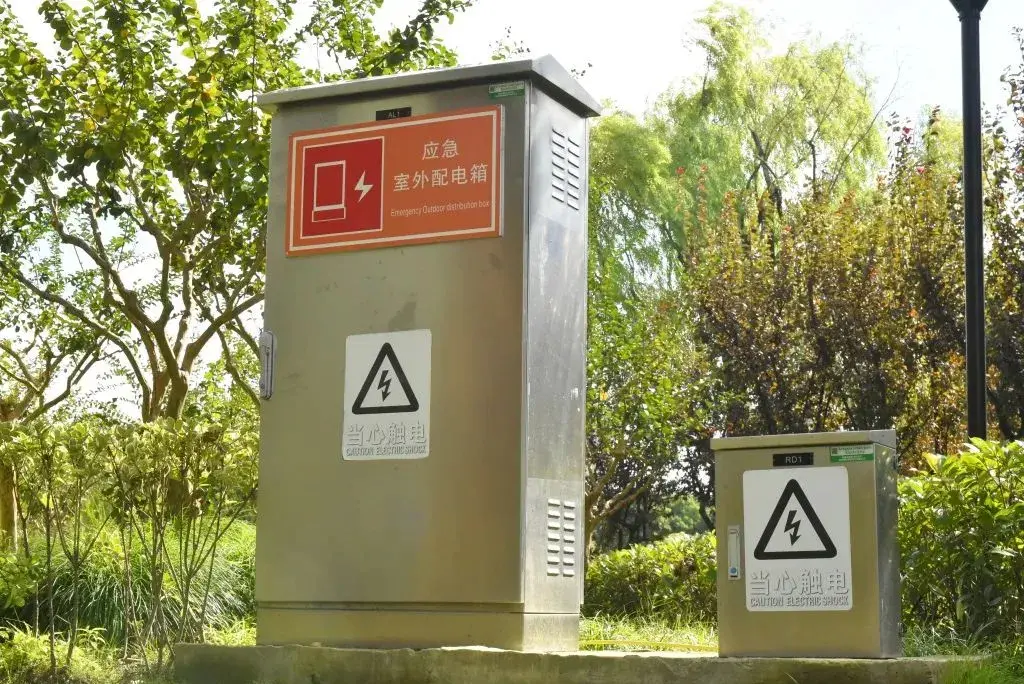
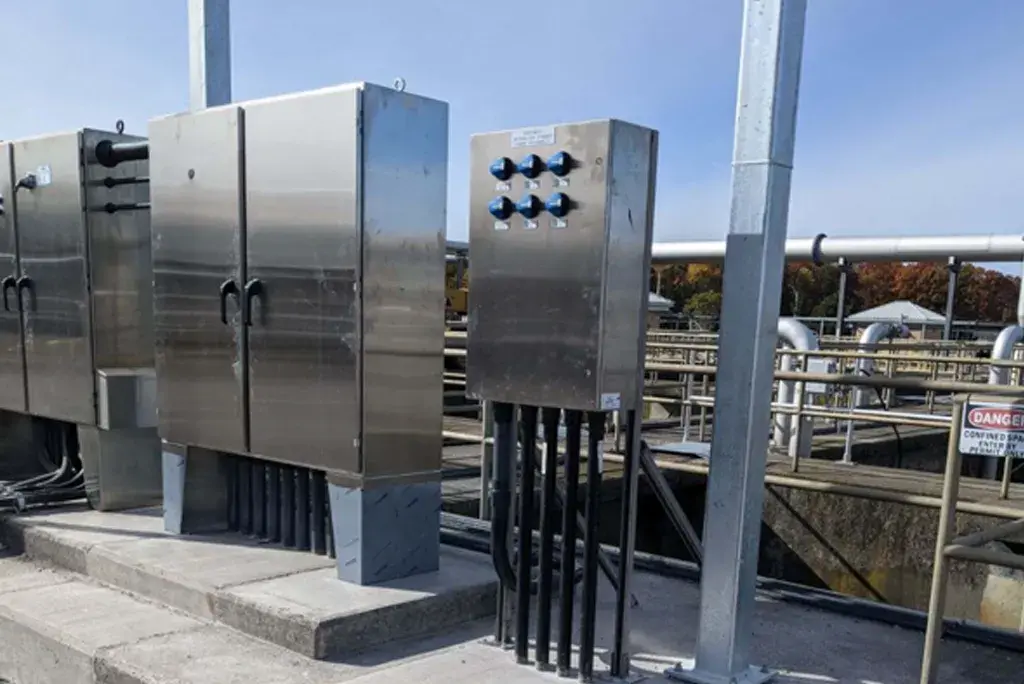
Electrical enclosure panels protect sensitive electrical components from harm. These panels create the visible outer shell of specialized cabinets that shield electrical equipment from potential risks. They stand as the first line of defense against environmental threats and prevent anyone from accidentally touching energized parts.
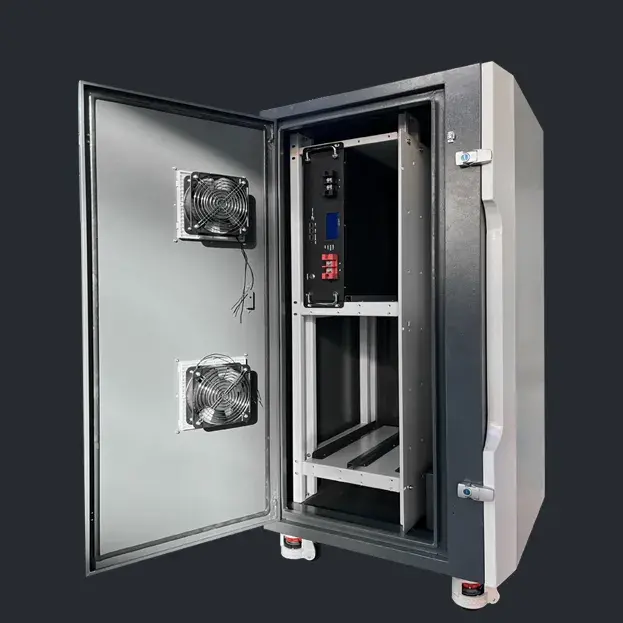
A typical enclosure panel box contains various electrical components like switches, knobs, displays, circuit breakers, and control systems. On top of that, it shields the equipment from electromagnetic and radio frequency interference, which adds protection beyond physical barriers.
Common types of panel materials
Your choice of material for an electrical panel enclosure should match your specific needs and environmental conditions. Here are the most popular materials used:
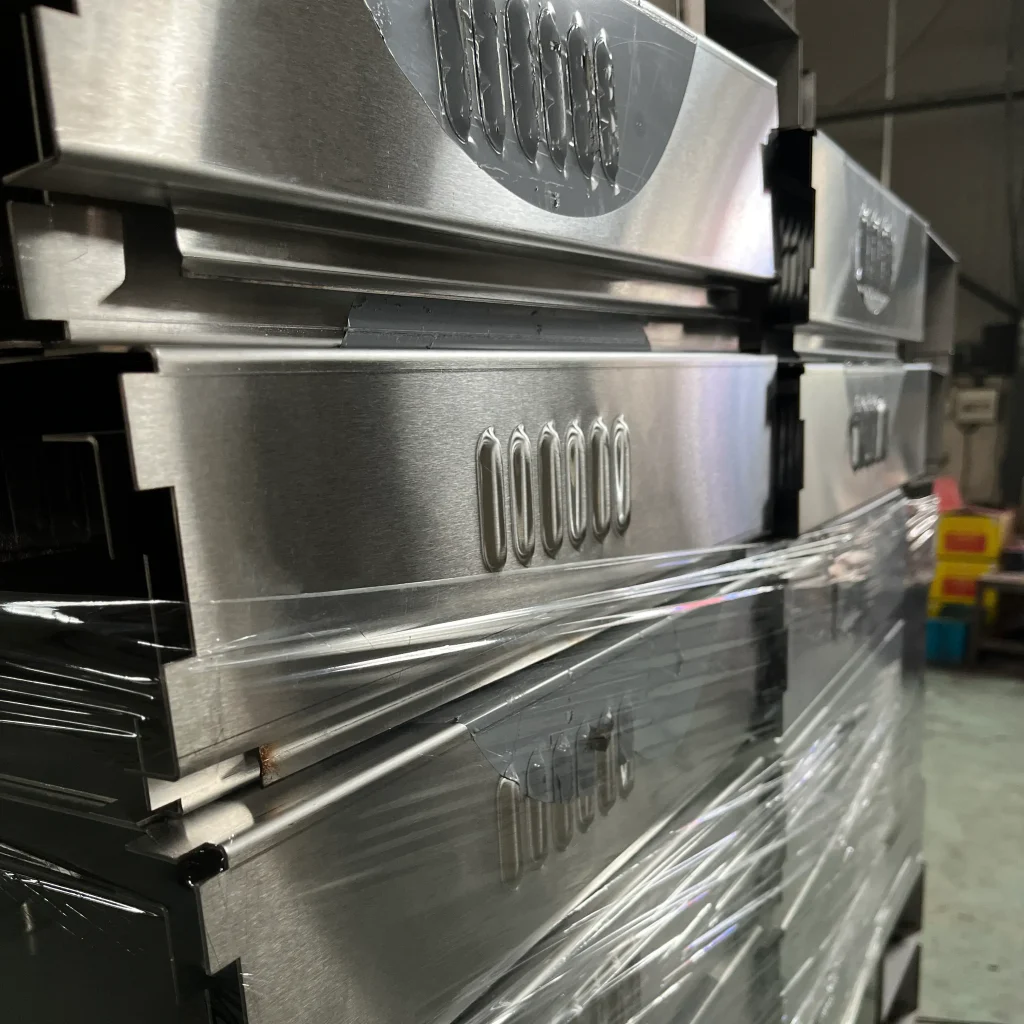
- Metals: Carbon steel delivers strength and durability at a lower cost but needs protective coating to prevent corrosion. Stainless steel gives exceptional resistance to corrosion and lasts longer, especially in harsh environments. Aluminum weighs less while resisting corrosion well and naturally shields against EMI.
- Non-metals: ABS plastic suits indoor applications in mild environments. Polycarbonate brings strength without conductivity, making it ideal for many uses. Fiberglass resists chemicals exceptionally well and thrives in constantly wet environments.
Each material shines in specific situations. To name just one example, see how steel cabinets can be painted or treated to improve durability while meeting conductivity requirements for electrical safety bonding.
How panels affect overall enclosure performance
The panel material you choose directly shapes system performance through four vital control layers: water, air, vapor, and thermal protection. These control layers must work together seamlessly to make the enclosure an effective environmental barrier.
Water control stands out as the most important layer since it affects both how long equipment lasts and how sustainable it remains. Air flow control comes next, affecting comfort, indoor air quality, and operating costs.
Heat dissipation capabilities depend heavily on panel material – a fact many designers overlook. Aluminum alloys, for instance, move heat away more effectively than stainless steel. This becomes especially important when equipment generates lots of heat.
The right enclosure panel choice will give you both equipment protection and operational efficiency. That’s why it plays such a vital role in any electrical installation project.
Assessing Your Panel Requirements
The right enclosure panel choice depends on getting a full picture of what you need. You should assess several key factors that determine protection and cost before making your purchase.
Environmental factors to think about
Your operating environment plays a crucial role in panel selection. Room temperature matters a lot – electronics lose half their life expectancy when they run 18°F above normal temperature. High humidity needs special attention since condensation forms inside panels as temperatures fall below dew point.
Temperature isn’t the only concern. You need to assess exposure to:
- Corrosive elements (chemicals, salt air in coastal locations)
- Dust, dirt, and airborne particulates
- Water exposure (rain, snow, or high-pressure washdown)
- Solar radiation that can raise internal temperatures by a lot
These elements help you choose between standard NEMA ratings such as 3R for outdoor rain protection, 4X for corrosion resistance, or 12 for industrial indoor protection.
Equipment protection needs
The contents of your electrical panel enclosure matter just as much as external protection. Your space requirements should fit current equipment and leave room for future additions and proper air flow. Component heat loads need careful assessment since poor cooling cuts equipment life and might cause failure.
Regulatory compliance and standards
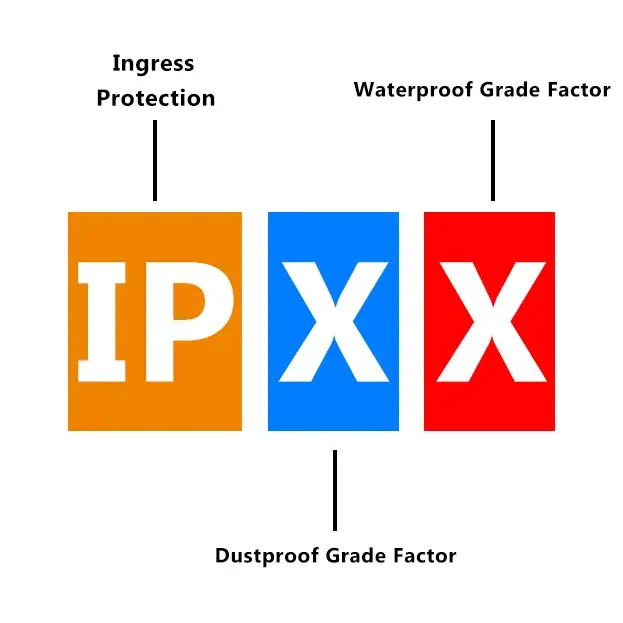
Safety and legal operation demand regulatory compliance. NEMA and IP ratings show how well an enclosure protects its contents. In spite of that, you can’t directly convert between NEMA and IP ratings even though they seem alike.
Enclosures must meet OSHA rules about working space, guarding live parts, and protection from environmental damage. Each breaker needs clear labels to enable quick power cuts during emergencies.
A systematic review of these needs before purchase helps you avoid mistakes that can get pricey while ensuring your electrical equipment stays protected.
Cost-Saving Strategies When Buying Panels
Smart money decisions about enclosure panel purchases need a balance between quality and cost. Here are practical ways to cut your expenses while maintaining protection.
Standard vs. custom panel options
Off-the-shelf electrical panel enclosures cost 15-25% less than customized versions because of mass production benefits. These standard panels also help get your systems up and running faster.
Custom panels give you tailored solutions that might be worth more in the long run despite higher upfront costs. Your application’s unique needs should help you decide if saving money now on standard panels might lead to extra modification costs later.

Bulk purchasing advantages
Buying more enclosure panels at once opens up great savings opportunities. Volume purchases usually mean better prices per unit. Ordering larger quantities will give a steady supply and helps avoid delays in delivery times.
Large projects benefit from streamlined paperwork and less administrative work with bulk orders. Many manufacturers create special bulk deals – to name just one example, MDU enclosure bulk packs come with multiple enclosures and covers that make repeat orders easy.
When to choose economy materials
Material choice makes a big difference in project costs. Among readily available materials, 5052 aluminum and cold-rolled steel are the most affordable options. Painted carbon steel stands out as the most budget-friendly metal enclosure choice.
Copper and stainless steel cost the most, while galvanneal sits in the middle price range. ABS plastic enclosures work great for indoor uses with minimal exposure to harsh conditions.
Selecting the Right Wiring Enclosure Panel
You need to pay close attention to dimensions, installation methods, and supplementary components after you grasp the simple requirements. Let’s get into the most important factors that affect both functionality and budget-friendly solutions.
Size and configuration considerations
The first step in sizing your electrical panel enclosure is measuring all components that will go inside. Most manufacturers suggest adding 20% more space for expansion and proper airflow. Note that several factors affect your space planning:
- Internal stiffeners and obstructions cut down usable space
- Wire bending space requirements impact minimum dimensions
- Heat-generating components need proper separation
- Components must be accessible for maintenance
Engineering drawings give you more accurate measurements than catalog dimensions that might only show nominal sizes. Modular Enclosures give you flexibility to adjust height, width, and depth without major changes.


When to choose economy materials
Material choice makes a big difference in project costs. Among readily available materials, 5052 aluminum and cold-rolled steel are the most affordable options. Painted carbon steel stands out as the most budget-friendly metal enclosure choice.
Copper and stainless steel cost the most, while galvanneal sits in the middle price range. ABS plastic enclosures work great for indoor uses with minimal exposure to harsh conditions.
Accessories worth the investment
Some accessories might cost more upfront but provide value long-term. Cable management systems prevent messy wiring while making access easier and cutting down maintenance time. Folding shelves help you accommodate equipment that won’t mount directly to racks.
Climate control solutions are great investments that many people overlook. They prevent equipment failure and help components last longer. Security accessories like special manufacturer keying systems ended up being essential to block unauthorized access in public areas.
Conclusion
Your choice of enclosure panel makes a huge difference in equipment safety and budget management. Smart choices that give you long-term value come from thinking about environmental factors, protection needs, and regulatory requirements.
Savvy buyers know affordable solutions don’t mean cutting corners on quality. Each decision should match your protection needs, whether you pick standard panels to save money now or invest in custom solutions for specific requirements. You can find the perfect enclosure panel that works for you. Just click “Send Quote” and we’ll help you pick the right one.
The right size, mounting options, and accessories work together to create a reliable enclosure system. Your equipment’s protection depends on choosing materials that suit your environment, without spending more than needed.
Today’s smart panel choice protects your equipment and keeps future costs down. Take a moment to review what you need and you’ll strike the perfect balance between protection and price.
Professional Enclosure Panel Manufacturer
Brings Excellent Services
How Can We Help Your Business?
What’s your company main products?
The main business is to provide customers with custom enclousure services, we also sell some General Boxes.
How about the price of the product?
We are a manufacturer, we mainly provide customized services for our customers, and we believe that our prices have enough advantages.
What does the enclosure customization service contain?
Box Sizes,Box Colors,Door Types,Gland Plates,Specific Cutouts,Moutning Plates,Protective Covers,Standing Types,Windows,Thickness,Accessories.
Can we get the sample? Is it free?
Yes, we could offer the general box sample for free charge,but need you pay the express. The freight depends on weight, packing size and your country or province region, etc.
What’s about MOQ?
First order MOQ=1pcs.
How can I get product catalogs?
You can get the catalogs by contacting us.
How to order our product?
1.Please tell us the model and quantity and other request you need.
2.We make the PI for you.
3.After you confirm the PI, we arrange the order for you after receiving your payment.
4.After the goods finished, we send the goods out to you and tell you the tracking number.
5.We will track your goods until you receive the goods.
How about the after-sale service?
If you meet any problems after sales, pis contact us freely, we’ll help solving the problems within 24 hours.
What’s the payment term?
100% T/T (large order, accept 30% T/T prepay 70% balance before shipping), Western Union, Paypal.
Related Blog

Reliable Electrical Enclosure Supplier in Africa

What Makes a High-Quality Electrical Control Cabinet?

Understanding Enclosure Thermostats: Why They Matter in Electrical Cabinet Systems
