
Expert Guide: Stainless Steel Distribution Box Pros and Cons in Harsh Industrial Settings

Stainless steel can handle temperatures up to 1700℉ without losing its structural integrity. This impressive heat resistance is just one of many benefits that make it the top choice for industrial applications.
The material comes in more than 50 different grades and works great in industrial settings of all types. You’ll find it everywhere from food processing plants to pharmaceutical facilities and oil & gas operations. Its resistance to rust and corrosion makes it perfect for these environments. The material’s weight can make installation tricky, but its durability and 100% recyclability more than make up for this drawback.
This piece will get into how stainless steel distribution boxes hold up in tough industrial environments. We’ll look at different grades like 304 and 316 and help you figure out if they’re the right fit for your needs.


Understanding Stainless Steel Distribution Boxes in Industrial Settings
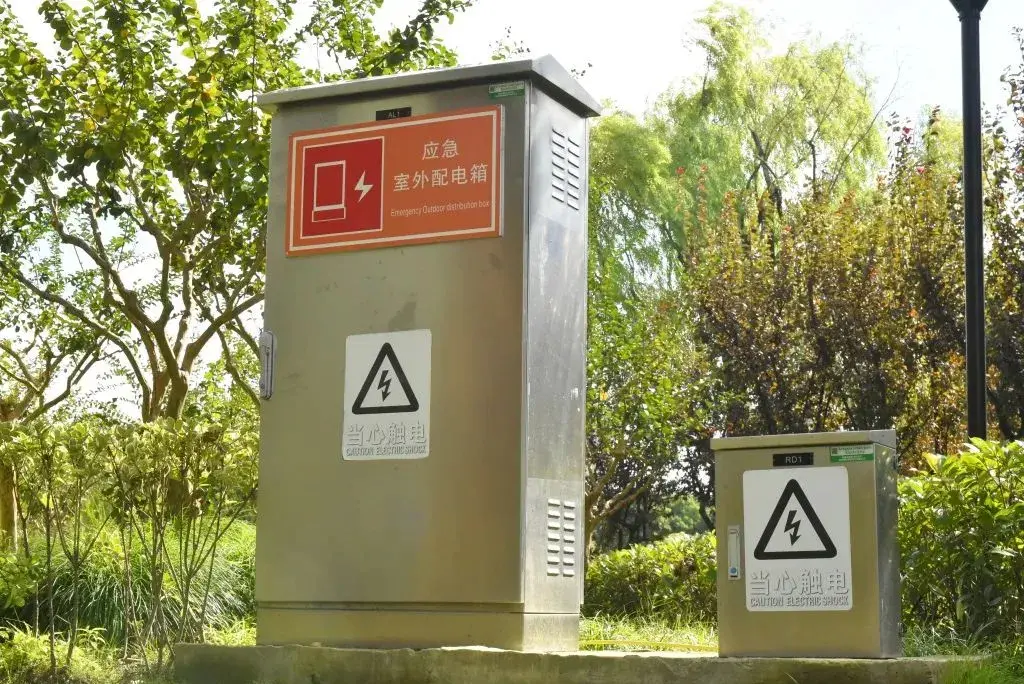
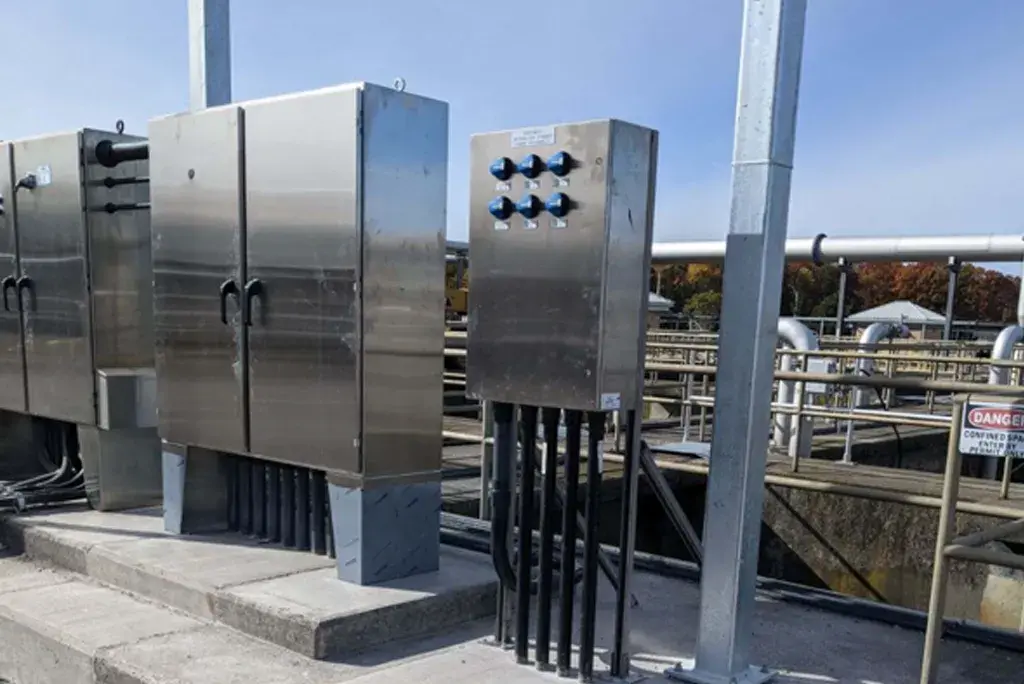
Stainless steel distribution boxes protect equipment in industries of all sizes. These boxes have become popular because they combine unique properties that work well in challenging environments.

What Makes Stainless Steel Ideal for Harsh Environments
Stainless steel stands out in industrial settings because it resists corrosion exceptionally well. The material holds up against moisture, chemicals, and other corrosive agents you’ll find in manufacturing environments. Its smooth, nonporous surface stops bacteria from growing and makes cleaning easy with standard detergents and disinfectants without any damage to the material.
The material’s structural integrity makes it perfect for industrial use. Stainless steel’s strength and durability help it resist deformation, shock, and mechanical stress. It keeps its shape and accuracy throughout its service life. These qualities are vital in industries where equipment faces constant vibration and exposure to harsh solvents and chemicals.
Grade 304 vs. 316: Choosing the Right Alloy
Two grades of stainless steel dominate the market, each with its own advantages:
Grade 304 stainless steel contains about 18% chromium and 8% nickel. This grade makes up more than 50% of stainless steel used worldwide. It resists corrosion from chemical and atmospheric exposure well and welds easily for fabrication needs.
Grade 316 stainless steel contains about 16% chromium, 10-11% nickel, and 2-3% molybdenum. Molybdenum substantially improves its resistance to pitting and crevice corrosion, especially in places with high chloride levels like coastal areas or chemical processing facilities. Grade 316 also performs better in environments with sulfuric acid or phosphoric acid.
Environmental factors usually determine which grade works best. Grade 304 works well enough for most applications with minimal exposure to corrosive elements. Environments with hazardous substances—like those in offshore or chemical industries—need the improved protection of 316-grade stainless steel.

Key Components of Industrial Distribution Boxes
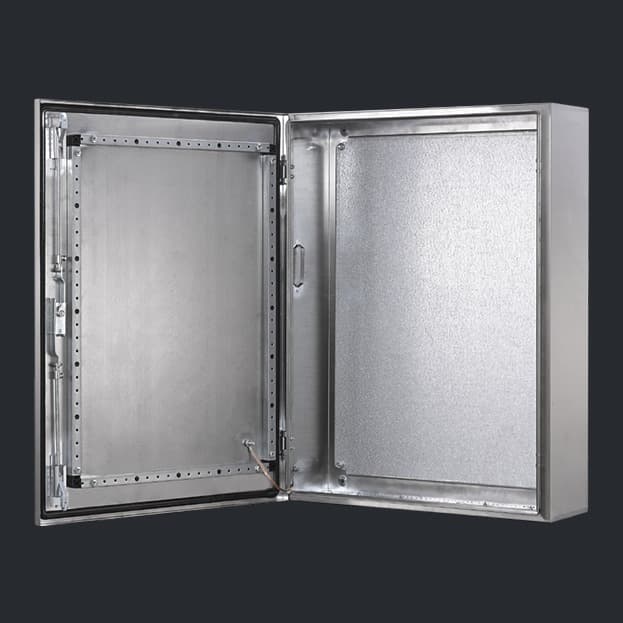
Industrial stainless steel distribution boxes have several essential parts: the outer shell (made from brush-finished stainless steel), external control panels, electrical components, installation supports, and wiring terminal blocks. Quality distribution boxes feature protection channels around the edges to stop water from getting in and use seal materials that work in different temperature ranges. The external control panel lets maintenance staff operate main and sub-switches easily without exposing sensitive internal components to environmental risks.
Primary Benefits in Extreme Industrial Environments
Stainless steel distribution boxes work better in environments where standard electrical enclosures fail quickly. These reliable containers offer vital protection in some of the toughest industrial settings.
Superior Corrosion Resistance in Chemical Exposure Areas
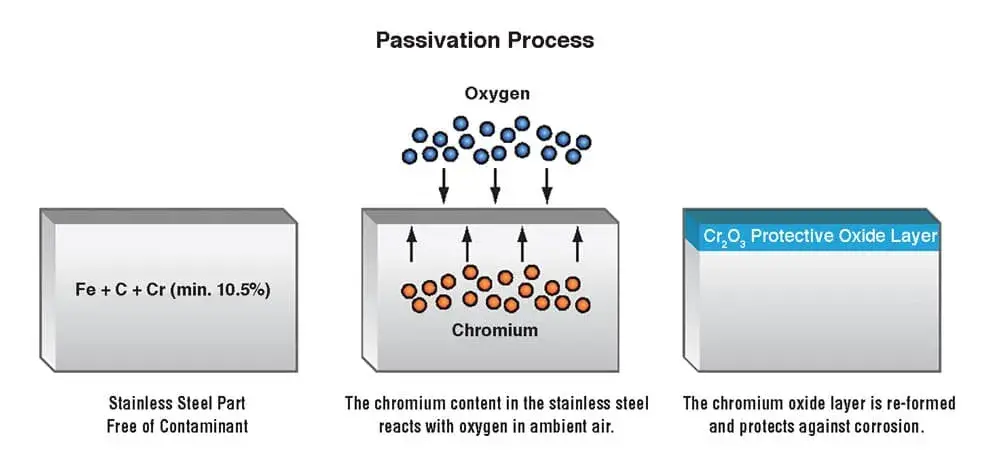
Stainless steel’s exceptional corrosion resistance comes from its chromium content that creates a protective oxide layer on the surface. This passive film sticks strongly to the metal substrate and stops electrochemical reactions that cause corrosion. The stainless steel enclosures keep their integrity even when exposed to harsh chemicals like hydrochloric acid and bleach solutions.
Grade 316 stainless steel shows better results than other materials in chemical exposure tests because its molybdenum content gives better resistance to pitting and crevice corrosion. This makes it valuable especially when you have high chloride concentrations. Chemical manufacturing facilities and offshore installations where salt spray threatens equipment integrity benefit from these properties.
Temperature Tolerance from Freezing to High Heat
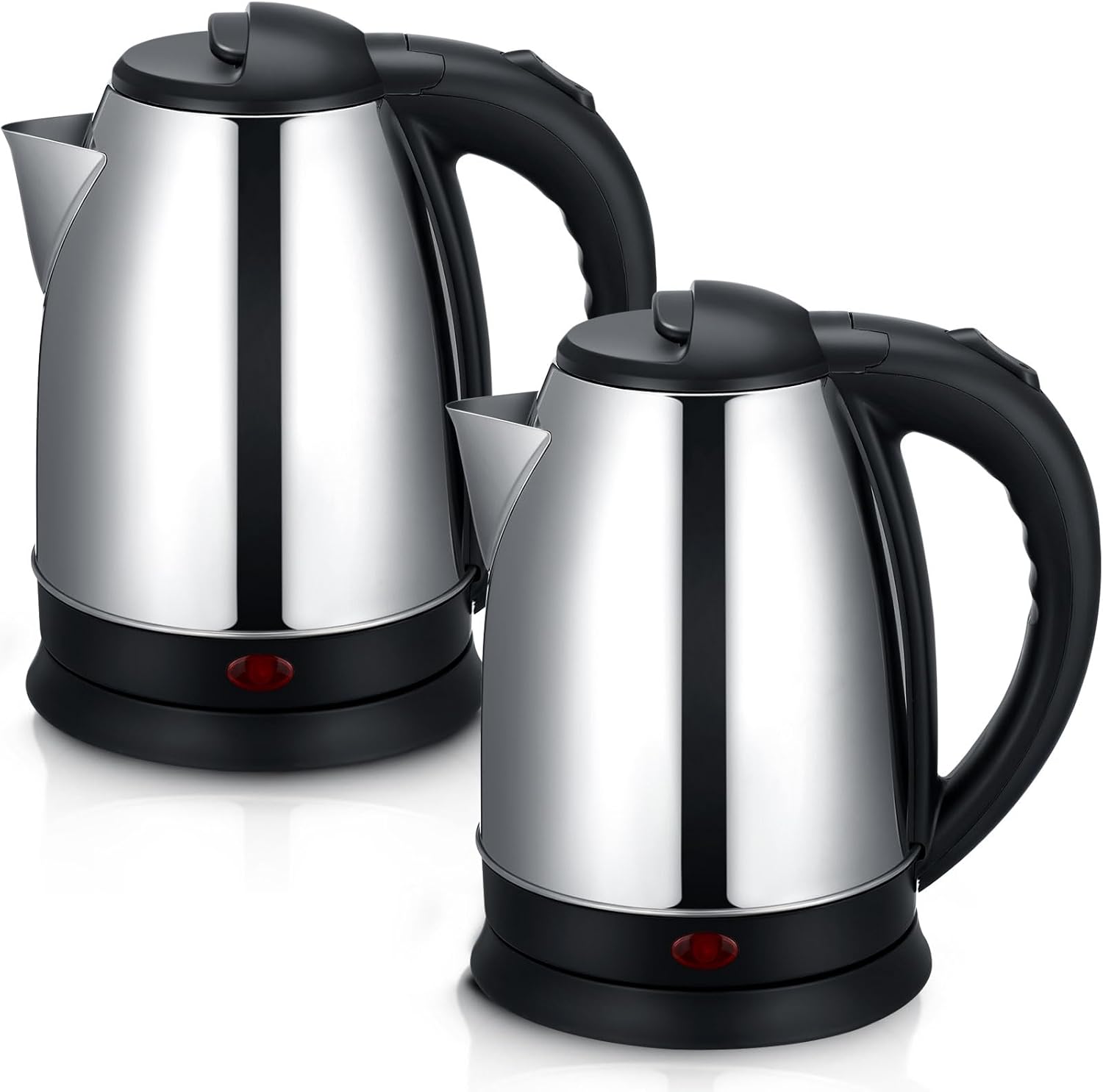
Austenitic stainless steels show excellent temperature tolerance and work properly from -60°C to +60°C. Distribution boxes need this wide operating range when installed in places with extreme temperature changes. These alloys keep their good mechanical properties at high temperatures. They maintain structural integrity without scaling or warping.
Stainless steel distribution boxes stay operational in high-temperature areas like boiler rooms and engine compartments. Standard materials would degrade or fail completely in these conditions.
Impact and Vibration Resistance in Manufacturing Facilities
Stainless steel’s natural strength offers better protection in manufacturing environments where equipment faces constant mechanical stress. Tests confirm that well-built stainless steel joints have better vibrational characteristics. This means longer service life in high-vibration settings.
Anti-vibration ratings of 10g keep components secure inside distribution boxes despite constant movement. This stability is vital on processing lines where machinery creates persistent vibrations that would break less durable enclosures.
Hygienic Properties for Food Processing
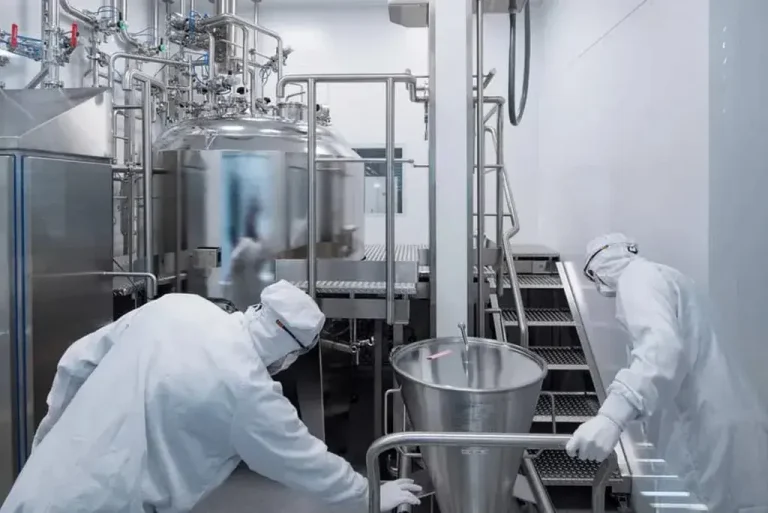
The food industry now uses stainless steel instead of other materials mainly due to its hygienic qualities. Its non-porous, smooth surface stops bacteria from building up and creates perfect conditions for cleaning and sanitization. The material stays neutral and doesn’t change the taste or appearance of food.
Regulatory authorities see these benefits. The 3-A Sanitary Standards specify stainless steel for food processing equipment. The material handles aggressive cleaning procedures without breaking down. This makes it essential in places that need strict hygiene protocols, from dairy processing to pharmaceutical manufacturing.
Limitations and Challenges to Consider
Stainless steel distribution boxes offer impressive capabilities but come with several challenges you should think over before implementation. A clear understanding of these limitations helps set realistic expectations about their performance in industrial settings.
Cost vs Long-Term Value
The price tag of stainless steel stands out right away. Grade 304 stainless steel costs about four times more than mild steel and doubles or triples aluminum’s price. This steep upfront cost makes many project managers pause, especially with tight budgets. The long-term value of stainless steel proves better than alternative materials when you look at total lifecycle costs. Lower maintenance needs and longer service life usually make up for the higher initial investment.
Weight and Installation Challenges
The substantial weight of stainless steel enclosures creates major challenges during transport and rigging. Setting up these units needs careful site prep, solid foundations, and proper positioning to avoid structural problems. Poor installation leads to connection misalignment and can rack up maintenance costs of $1,000 monthly per machine.
Risk of Galvanic Corrosion
Stainless steel resists corrosion well but speeds up corrosion in other metals. Galvanic corrosion happens under three conditions: different metals with varying electrode potentials, electrical contact between metals, and exposure to an electrolyte. This issue often affects aluminum parts near stainless steel, especially in areas with lots of salt. You must insulate components and break electrical paths to prevent this problem.
Upkeep in Harsh Settings
In stark comparison to its name, stainless steel needs proper maintenance to stay stain-free and corrosion-resistant. Salt air affects metal structures up to 50 miles inland, with heavy corrosion showing up within 5-10 miles of coastlines. Grade 304 stainless steel doesn’t work well in coastal areas because chlorides cause pitting—spots of corrosion from chemical exposure. Regular cleaning and checkups become crucial where environmental contaminants exist.
Industry-Specific Applications and Solutions
Stainless steel distribution boxes serve unique purposes across industries of all sizes. Companies have adapted these boxes to tap into the full potential of stainless steel and work around its limitations.
Industrial Control
Protect control panels, automation systems, and electrical components in factories, manufacturing plants, and production lines
Telecommunications
Ideal for housing sensitive telecommunication equipment in outdoor environments, providing protection from the elements and tampering
Power Distribution
Ideal for electrical control systems in solar panels, water treatment plants, and power distribution systems.
Outdoor Installations
Perfect for protecting electrical components in solar power systems, wind turbines, and other renewable energy applications exposed to harsh weather
Conclusion
Stainless steel distribution boxes protect electrical components reliably in tough industrial environments. These boxes offer exceptional durability and resist corrosion well. Their adaptability makes them valuable assets despite their higher original costs.
Our complete analysis shows how different grades meet specific requirements. The 304 grade works in standard industrial conditions, and the 316 grade performs best in highly corrosive settings. This material’s impressive temperature range from -60°C to +60°C and strong resistance to damage helps it perform consistently in extreme conditions.
The steel’s versatility shines in many industries. Food processing plants value its clean properties. Pharmaceutical makers use specialized flush-mounting designs. Offshore operations rely on marine-grade enclosures that stand up to harsh saltwater environments.
Weight issues and complex installations can pose challenges. Good planning and expert installation help address these concerns. The long-term advantages ended up making sense for most industrial uses. These boxes need less maintenance, last longer, and protect critical electrical parts reliably.
Stainless steel distribution boxes stand unmatched when dependability counts most. Standard enclosures would fail quickly in demanding environments. Their proven success in industries of all types shows they are the life-blood of modern industrial infrastructure.



Professional Stainless Steel Electrical Enclosure Manufacturer
Brings Excellent Services
How Can We Help Your Business?
What’s your company main products?
The main business is to provide customers with custom enclousure services, we also sell some General Boxes.
How about the price of the product?
We are a manufacturer, we mainly provide customized services for our customers, and we believe that our prices have enough advantages.
What does the enclosure customization service contain?
Box Sizes,Box Colors,Door Types,Gland Plates,Specific Cutouts,Moutning Plates,Protective Covers,Standing Types,Windows,Thickness,Accessories.
Can we get the sample? Is it free?
Yes, we could offer the general box sample for free charge,but need you pay the express. The freight depends on weight, packing size and your country or province region, etc.
What’s about MOQ?
First order MOQ=1pcs.
How can I get product catalogs?
You can get the catalogs by contacting us.
How to order our product?
1.Please tell us the model and quantity and other request you need.
2.We make the PI for you.
3.After you confirm the PI, we arrange the order for you after receiving your payment.
4.After the goods finished, we send the goods out to you and tell you the tracking number.
5.We will track your goods until you receive the goods.
How about the after-sale service?
If you meet any problems after sales, pis contact us freely, we’ll help solving the problems within 24 hours.
What’s the payment term?
100% T/T (large order, accept 30% T/T prepay 70% balance before shipping), Western Union, Paypal.


