
Revolutionizing Industrial Protection: The Ultimate Guide to Wall Mounted Electrical Enclosures


Understanding Wall Mounted Electrical Enclosures
Wall mounted electrical enclosures serve as protective housings for electrical components, control systems, and sensitive equipment in various industrial and commercial settings. These enclosures play a crucial role in safeguarding critical electrical infrastructure from environmental hazards, physical damage, and unauthorized access. By providing a secure and controlled environment, wall mounted enclosures ensure the longevity and reliable operation of the equipment they house.
The primary function of these enclosures is to create a barrier between the internal components and external elements such as dust, moisture, chemicals, and extreme temperatures. This protection is essential for maintaining the integrity and performance of electrical systems, particularly in harsh industrial environments or outdoor installations. Wall mounted enclosures also contribute to workplace safety by preventing accidental contact with live electrical components and reducing the risk of electrical fires or equipment failures.
In addition to protection, wall mounted electrical enclosures offer several other benefits. They provide a organized and centralized location for electrical components, making maintenance and troubleshooting more efficient. The wall mounting feature allows for space-saving installation in areas with limited floor space, making them ideal for a wide range of applications from small control panels to large distribution systems.
Modern wall mounted enclosures come in various sizes, materials, and designs to suit different industrial needs. Common materials include steel, stainless steel, aluminum, and engineered plastics, each offering unique properties in terms of durability, corrosion resistance, and thermal management. The choice of material often depends on the specific environmental conditions and regulatory requirements of the installation site.
As industries evolve and adopt more sophisticated technologies, wall mounted electrical enclosures have also adapted to meet new challenges. Many now incorporate features such as modular designs for easy expansion, advanced sealing technologies for enhanced protection, and smart monitoring capabilities for predictive maintenance. These advancements have made wall mounted enclosures an integral part of modern industrial infrastructure, supporting the trend towards more automated and connected manufacturing processes.
Understanding the fundamentals of wall mounted electrical enclosures is crucial for anyone involved in industrial design, facility management, or electrical engineering. In the following sections, we’ll delve deeper into the various aspects of these essential components, exploring their types, key features, selection criteria, and best practices for implementation.
Industrial Settings
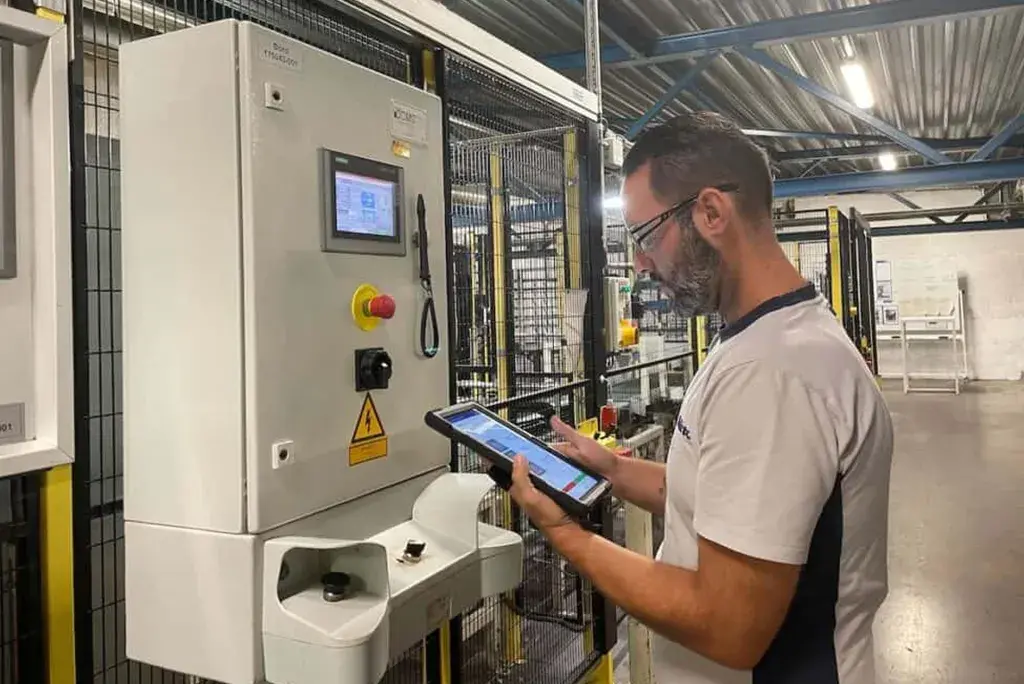
Protect electrical components in factories, warehouses, and production lines

Telecommunications
Enclose sensitive equipment in communication systems, especially in outdoor installations

Energy & Utilities
Ideal for electrical control systems in solar panels, water treatment plants, and power distribution systems.

Commercial Buildings
Secure electrical panels, circuit breakers, and switches in retail stores, office buildings, and more
Types of Wall Mounted Electrical Enclosures
As industrial technologies advance, wall mounted electrical enclosures have evolved to incorporate a range of innovative features designed to enhance protection, improve functionality, and streamline maintenance. Understanding these key features is essential for selecting the most suitable enclosure for your specific application. Let’s explore the cutting-edge characteristics that define modern wall mounted enclosures:

1. Advanced Sealing Technologies
Modern enclosures employ sophisticated sealing methods to provide superior protection against environmental ingress:
- Gasket Materials: High-performance elastomers and silicone compounds offer improved resistance to aging, temperature extremes, and chemical exposure.
- Compression Sealing: Precision-engineered door frames and sealing surfaces ensure consistent compression for optimal protection.
- IP and NEMA Ratings: Enclosures are designed and tested to meet specific ingress protection standards, with many offering IP66, IP67, or even IP69K ratings for the most demanding environments.
These advanced sealing technologies ensure that internal components remain protected from dust, water, and other contaminants, even in harsh industrial settings.

2. Modular and Scalable Designs
Flexibility is a hallmark of modern wall mounted enclosures, with many featuring modular designs that allow for easy expansion and reconfiguration:
- Standardized Mounting Patterns: Consistent hole patterns and mounting rails facilitate quick installation and interchangeability of components.
- Expandable Frameworks: Some enclosures can be easily joined together to create larger systems without compromising protection.
- Removable Panels: Quick-release side panels and rear walls enable easy access for maintenance and modifications.
This modularity enables businesses to adapt their electrical infrastructure as needs change, without the need for complete system overhauls.

3. Enhanced Thermal Management
Effective heat dissipation is crucial for maintaining the performance and longevity of electrical components. Modern enclosures incorporate advanced thermal management features:
- Passive Cooling Solutions: Strategically placed vents, louvers, and heat sinks promote natural air circulation.
- Active Cooling Systems: Integrated fans, air conditioners, or thermoelectric coolers provide precise temperature control.
- Climate Control Accessories: Easy integration of filter fans, heat exchangers, and other cooling devices to suit specific thermal loads.
These thermal management solutions ensure that sensitive electronics remain within optimal operating temperatures, even in high-heat industrial environments.
4. Smart Monitoring and Control
The integration of IoT (Internet of Things) technologies has brought intelligence to wall mounted enclosures:
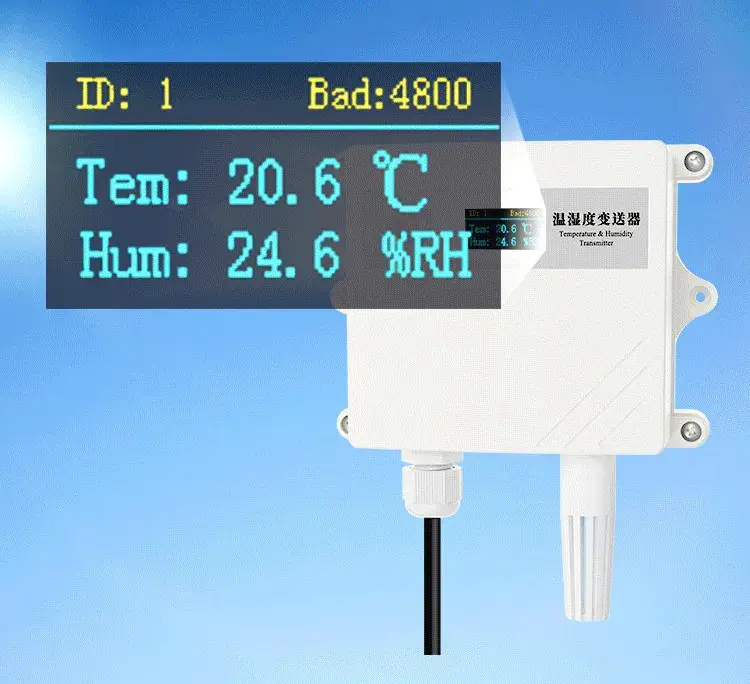
- Environmental Sensors: Built-in sensors monitor temperature, humidity, and other parameters within the enclosure.
- Remote Monitoring: Wireless connectivity allows for real-time monitoring and alerts, enabling predictive maintenance.
- Access Control: Electronic locking systems with logging capabilities enhance security and provide an audit trail of enclosure access.
These smart features provide valuable insights into enclosure performance and help prevent equipment failures before they occur.

5. Enhanced Cable Management
Efficient organization of cables and wires is essential for maintaining a tidy and functional electrical system:
- Integrated Cable Routing: Pre-designed pathways and mounting points for cable management accessories.
- Adjustable Entry Points: Customizable gland plates and knockout patterns accommodate various cable sizes and types.
- Strain Relief Systems: Built-in features to secure cables and prevent tension on electrical connections.
Improved cable management not only enhances the aesthetics of the installation but also facilitates easier maintenance and reduces the risk of wiring errors.

6. Corrosion-Resistant Materials and Finishes
Modern enclosures utilize advanced materials and surface treatments to withstand corrosive environments:
- High-Grade Stainless Steel: Alloys like 316L offer exceptional resistance to chemical corrosion.
- Powder Coat Finishes: Durable, environmentally friendly coatings provide long-lasting protection for steel enclosures.
- Composite Materials: Engineered plastics and fiberglass composites offer inherent corrosion resistance for specific applications.
These material innovations extend the lifespan of enclosures in challenging industrial environments, reducing maintenance costs and downtime.
7. Ergonomic Design Features
User-friendly design elements improve the ease of installation, operation, and maintenance:
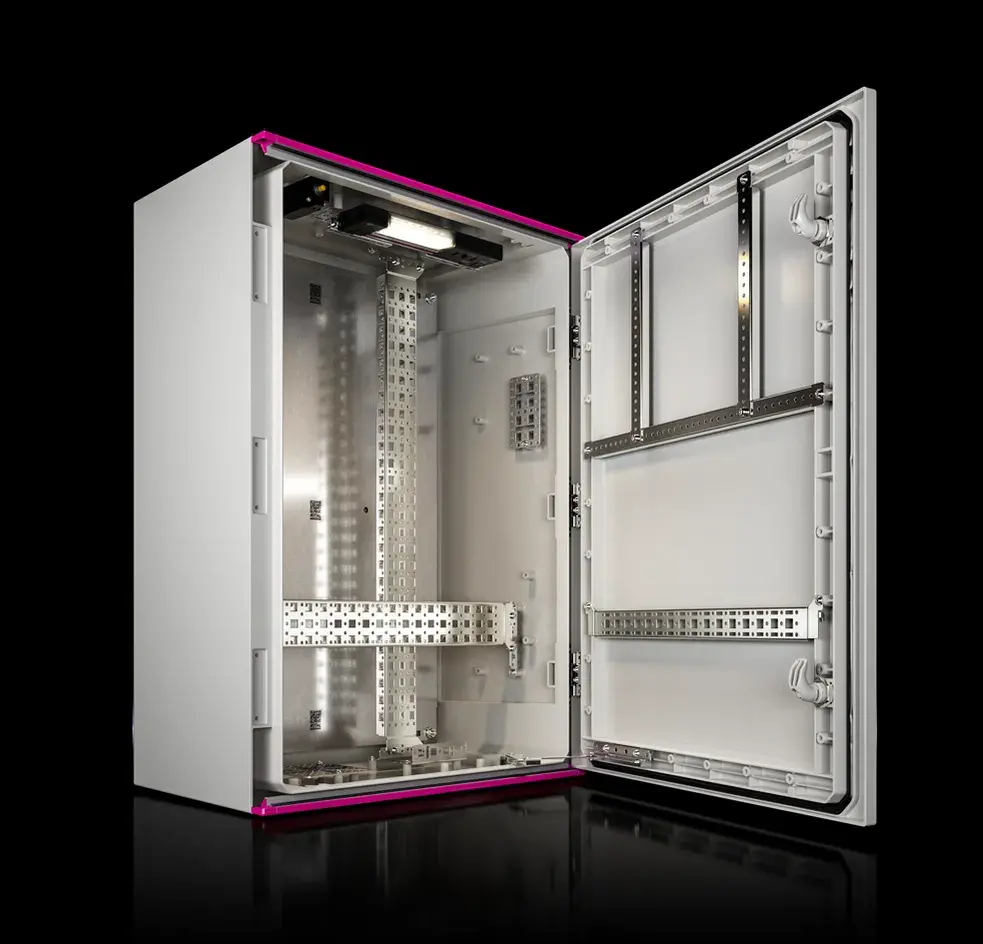
- Tool-Free Access: Quick-release latches and hinges allow for rapid entry without specialized tools.
- Adjustable Mounting Options: Versatile wall-mounting brackets accommodate various installation scenarios.
- Lightweight Materials: The use of aluminum and advanced composites reduces the overall weight, simplifying installation and relocation.
These ergonomic features contribute to improved efficiency and safety during installation and maintenance procedures.
7. Ergonomic Design Features
Modern manufacturers offer extensive customization capabilities to meet specific application requirements:
- CNC Machining Services: Precise cutouts for buttons, displays, and cable entries.
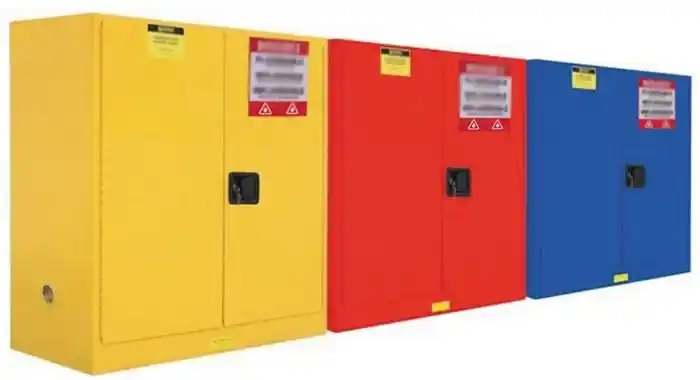
- Custom Coloring: Ability to match enclosures to corporate branding or safety color schemes.
- Silk Screening and Labeling: Application of logos, warnings, and operational instructions directly on the enclosure.
Customization options ensure that enclosures not only provide protection but also integrate seamlessly with the overall system design and user interface requirements.
By incorporating these advanced features, modern wall mounted electrical enclosures offer unprecedented levels of protection, flexibility, and functionality. As we continue to explore the world of industrial enclosures, we’ll delve into the critical factors to consider when selecting the right enclosure for your specific application, ensuring that you can leverage these innovative features to their fullest potential.
Selecting the Right Wall Mounted Enclosure
Choosing the appropriate wall mounted electrical enclosure is a critical decision that can significantly impact the performance, longevity, and safety of your electrical systems. With a wide array of options available, it’s essential to consider several key factors to ensure that the selected enclosure meets your specific requirements. Here’s a comprehensive guide to help you navigate the selection process:
1. Advanced Sealing Technologies
The environment in which the enclosure will be installed is perhaps the most crucial factor in your decision-making process:
- Indoor vs. Outdoor: Outdoor installations require enclosures with higher ingress protection ratings and UV resistance.
- Temperature Extremes: Consider the ambient temperature range and whether active cooling or heating is necessary.
- Humidity and Moisture: High humidity environments may require enclosures with advanced sealing and possibly dehumidification features.
- Corrosive Atmospheres: Presence of chemicals or salt spray necessitates corrosion-resistant materials like stainless steel or specially coated enclosures.
- Dust and Particulates: Environments with airborne particles require enclosures with appropriate filtration systems.
Carefully assess the environmental challenges at your installation site to determine the level of protection required.
2. Size and Capacity
Determining the right size for your enclosure is crucial for accommodating all necessary components while allowing for future expansion:
- Equipment Dimensions: Measure all devices, controls, and components that will be housed within the enclosure.
- Cable Management: Allow extra space for proper cable routing and organization.
- Heat Dissipation: Larger enclosures may provide better natural heat dissipation for components.
- Future Expansion: Consider potential system growth and leave room for additional equipment.
It’s often wise to choose an enclosure slightly larger than your current needs to accommodate future modifications or additions.
3. Material Selection
The choice of enclosure material impacts durability, weight, and suitability for specific environments:
- Steel: Offers excellent strength and EMI shielding but may require additional corrosion protection.
- Stainless Steel: Ideal for corrosive environments and applications requiring frequent cleaning.
- Aluminum: Lightweight and naturally corrosion-resistant, suitable for mobile applications.
- Plastic/Fiberglass: Non-conductive, lightweight, and resistant to chemicals, but may have limitations in high-temperature environments.
Consider the specific strengths and limitations of each material in relation to your application requirements.
4. Protection Ratings
Understanding and selecting the appropriate ingress protection (IP) or NEMA rating is crucial:
- IP Ratings: The two-digit IP code defines protection against solid objects (first digit) and liquids (second digit). For example, IP66 offers dust-tight protection and resistance to powerful water jets.
- NEMA Ratings: Used primarily in North America, NEMA ratings provide similar guidance on environmental protection levels.
Ensure that the chosen enclosure’s rating meets or exceeds the protection requirements of your installation environment.
5. Thermal Management
Proper temperature control within the enclosure is essential for the longevity and performance of electrical components:
- Heat Load Calculation: Determine the total heat generated by enclosed equipment to select appropriate cooling solutions.
- Passive vs. Active Cooling: Decide whether natural ventilation is sufficient or if active cooling (fans, air conditioners) is required.
- Climate Control Accessories: Consider the need for heaters, dehumidifiers, or thermostats for comprehensive climate control.
Effective thermal management prevents premature component failure and ensures reliable system operation.
6. Accessibility and Maintenance
Consider how frequently you’ll need to access the enclosure’s contents and what type of maintenance will be required:
- Door Design: Single or double doors, removable panels, or hinged covers can affect ease of access.
- Internal Layout: Ensure that the enclosure allows for logical component arrangement and easy maintenance access.
- Cable Entry: Evaluate the number and location of cable entry points for convenient installation and future modifications.
Choosing an enclosure with appropriate accessibility features can significantly reduce maintenance time and costs.
7. Regulatory Compliance
Ensure that the selected enclosure meets all relevant industry standards and regulations:
- Electrical Standards: Compliance with standards like UL, CSA, or IEC depending on your region and industry.
- Industry-Specific Regulations: Consider requirements for hazardous locations (ATEX, IECEx) or hygienic environments (FDA, USDA).
- EMC Requirements: If electromagnetic compatibility is a concern, look for enclosures with appropriate shielding capabilities.
Compliance with applicable standards is crucial for legal operation and may be required for insurance purposes.
8. Customization and Scalability
Consider whether off-the-shelf solutions meet your needs or if customization is required:
- Modular Systems: Evaluate whether a modular enclosure system would provide the flexibility for future expansion.
- Custom Modifications: Determine if you need specific cutouts, paint colors, or branding elements.
- Integration with Existing Systems: Ensure compatibility with your current infrastructure and equipment.
Choosing an enclosure with the right balance of standardization and customization can optimize both cost and functionality.
9. Cost Considerations
While initial cost is important, consider the total cost of ownership:
- Material Costs: Balance the upfront cost of materials against long-term durability and maintenance requirements.
- Installation Costs: Consider ease of installation and any special mounting requirements.
- Maintenance and Replacement: Factor in the costs of ongoing maintenance and potential future replacements.
Investing in a high-quality enclosure that meets your specific needs can often result in long-term cost savings through reduced maintenance and extended equipment life.
By carefully considering these factors, you can select a wall mounted electrical enclosure that not only meets your current needs but also provides the flexibility and durability to support your systems well into the future. In the next section, we’ll explore best practices for installation and maintenance to ensure you get the most out of your chosen enclosure.
Conclusion
As we’ve explored throughout this comprehensive guide, wall mounted electrical enclosures play a pivotal role in safeguarding critical electrical components and systems across a wide range of industries. From basic protection against environmental hazards to advanced features that enable smart monitoring and efficient maintenance, these enclosures have evolved to meet the ever-changing demands of modern industrial environments.
The journey through the various aspects of wall mounted electrical enclosures has revealed their complexity and importance:
- We began by understanding the fundamental purpose and types of enclosures, recognizing the diverse range of options available to suit different applications and environments.
- Our exploration of key features highlighted the innovative technologies and design elements that make modern enclosures more effective, versatile, and user-friendly than ever before.
- The section on selecting the right enclosure emphasized the critical factors to consider, ensuring that decision-makers can choose solutions that precisely meet their specific needs and compliance requirements.
- Best practices for installation and maintenance provided valuable insights into maximizing the performance and longevity of enclosures, underlining the importance of proper care and attention to detail.
- Finally, our look into future trends revealed exciting possibilities on the horizon, from smart, IoT-enabled enclosures to sustainable materials and enhanced functionalities.
As industries continue to evolve, embracing automation, renewable energy, and Industry 4.0 principles, the role of wall mounted electrical enclosures will only grow in importance. These unassuming yet critical components will increasingly become integral parts of smart industrial ecosystems, contributing to improved efficiency, safety, and sustainability.
For professionals involved in industrial design, facility management, or electrical engineering, staying informed about the latest developments in enclosure technology is crucial. The choices made in selecting, installing, and maintaining these enclosures can have far-reaching impacts on operational efficiency, equipment longevity, and overall system reliability.
As we look to the future, it’s clear that wall mounted electrical enclosures will continue to adapt and innovate, rising to meet new challenges and opportunities. From enhanced protection against cyber-physical threats to integration with renewable energy systems and beyond, these enclosures will play a vital role in shaping the industrial landscapes of tomorrow.
In conclusion, whether you’re designing a new facility, upgrading existing infrastructure, or simply seeking to optimize your current operations, a thorough understanding of wall mounted electrical enclosures is invaluable. By leveraging the insights provided in this guide and staying attuned to emerging trends, you can ensure that your electrical systems remain well-protected, efficient, and ready to support the evolving needs of your industry.
Professional Electrical Enclosure Manufacturer
Brings Excellent Services
How Can We Help Your Business?
What’s your company main products?
The main business is to provide customers with custom enclousure services, we also sell some General Boxes.
How about the price of the product?
We are a manufacturer, we mainly provide customized services for our customers, and we believe that our prices have enough advantages.
What does the enclosure customization service contain?
Box Sizes,Box Colors,Door Types,Gland Plates,Specific Cutouts,Moutning Plates,Protective Covers,Standing Types,Windows,Thickness,Accessories.
Can we get the sample? Is it free?
Yes, we could offer the general box sample for free charge,but need you pay the express. The freight depends on weight, packing size and your country or province region, etc.
What’s about MOQ?
First order MOQ=1pcs.
How can I get product catalogs?
You can get the catalogs by contacting us.
How to order our product?
1.Please tell us the model and quantity and other request you need.
2.We make the PI for you.
3.After you confirm the PI, we arrange the order for you after receiving your payment.
4.After the goods finished, we send the goods out to you and tell you the tracking number.
5.We will track your goods until you receive the goods.
How about the after-sale service?
If you meet any problems after sales, pis contact us freely, we’ll help solving the problems within 24 hours.
What’s the payment term?
100% T/T (large order, accept 30% T/T prepay 70% balance before shipping), Western Union, Paypal.
Related Blog

Reliable Electrical Enclosure Supplier in Africa

What Makes a High-Quality Electrical Control Cabinet?

Understanding Enclosure Thermostats: Why They Matter in Electrical Cabinet Systems
