
How an steel electrical enclosure is made
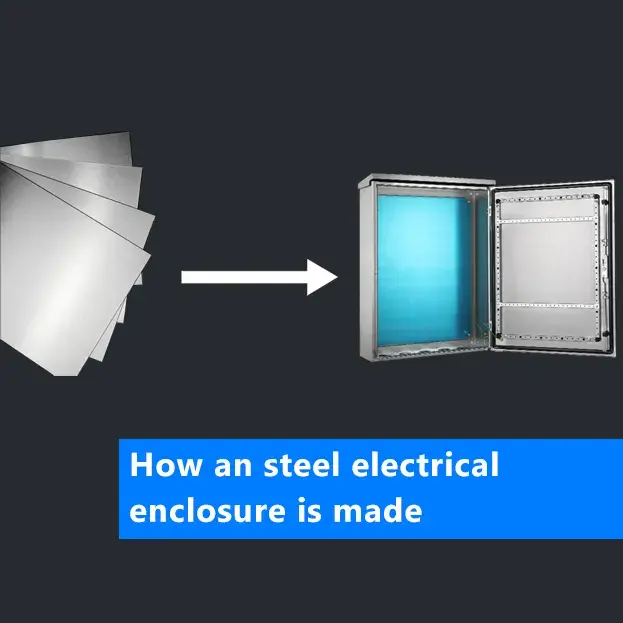


The manufacturing process of a steel electrical enclosure involves several stages, from design to final assembly. These enclosures are crucial for protecting electrical components from environmental elements, mechanical impacts, and electromagnetic interference.
Common types of steel used in enclosures include:
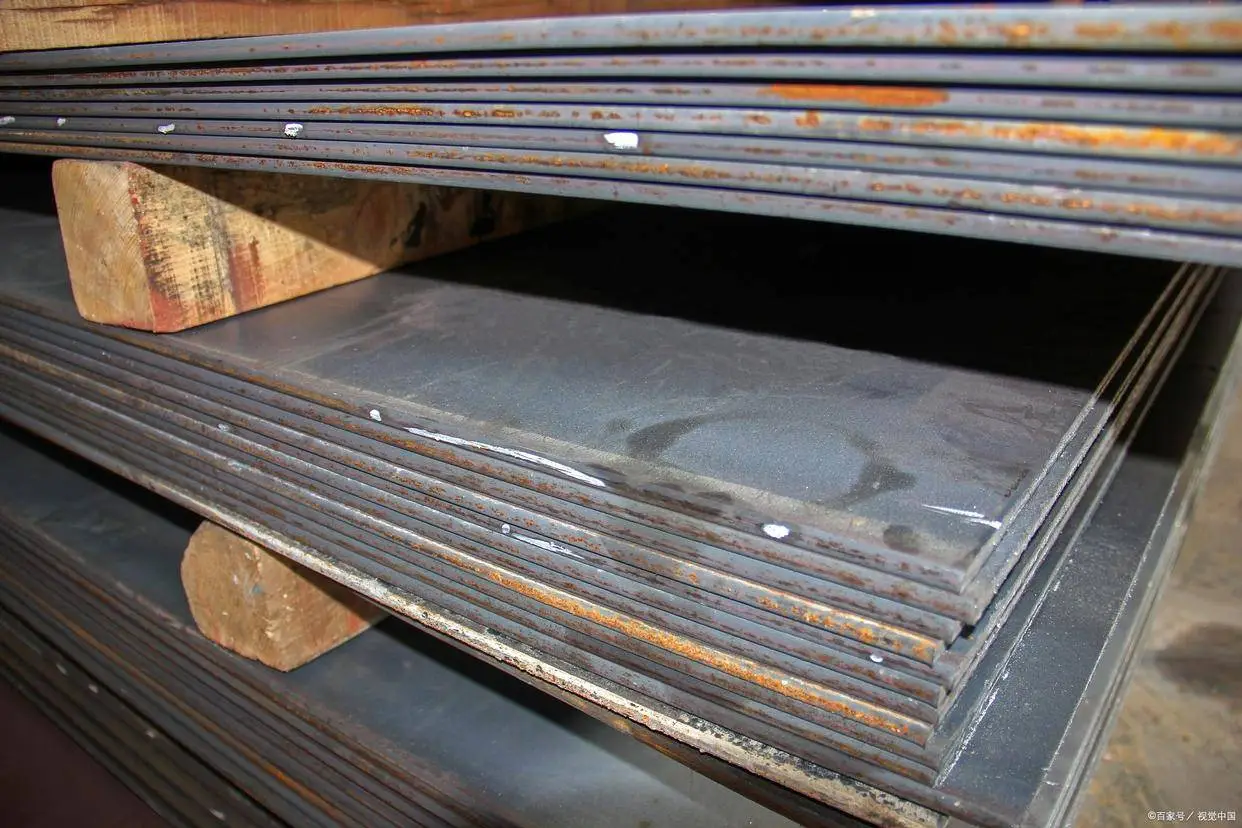
Carbon Steel: Strong and cost-effective, often used for general-purpose enclosures.
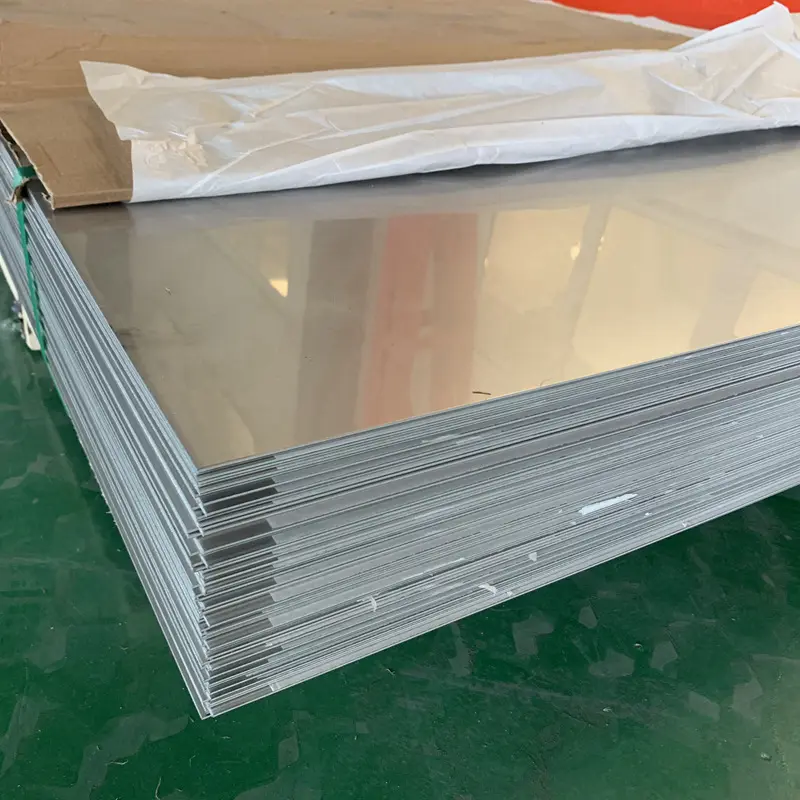
Stainless Steel: Corrosion-resistant, ideal for harsh environments or where hygiene is important.
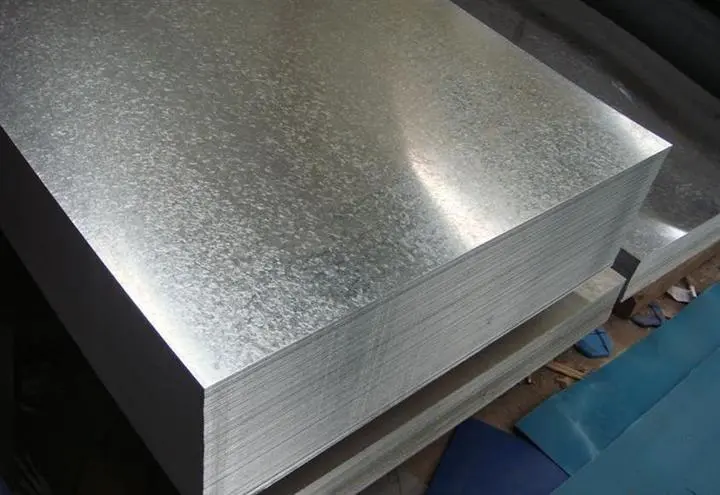
Galvanized Steel: Coated with zinc for rust protection, suitable for outdoor applications.
Steel Enclosure Manufacturing Process
Electrical enclosures come in a wide variety of shapes, sizes, and materials, each designed to cater to specific industrial needs. Understanding the different types of enclosures and their applications is crucial for making informed decisions when it comes to protecting your electrical equipment.

1.Designing
When designing a steel enclosure, consider the following factors:
- Purpose and Functionality: Understand the enclosure’s primary use, such as housing electrical equipment, machinery, or outdoor applications.
- Material Selection: Choose the appropriate steel type (e.g., carbon, stainless, galvanized) based on environmental conditions, corrosion resistance, and strength requirements.
- Size and Dimensions: Ensure the enclosure is appropriately sized for the equipment it will house, allowing for ventilation, accessibility, and maintenance.
- Environmental Conditions: Factor in exposure to weather, humidity, temperature extremes, and potential chemical exposure.
- Ventilation and Cooling: Plan for adequate airflow or cooling systems if the enclosure will contain heat-generating equipment.
- Safety and Compliance: Adhere to industry standards and regulations (like NEMA or IP ratings) for safety and environmental protection.
- Accessibility: Design for ease of access, including doors, panels, or removable sections for maintenance.
- Weight and Portability: Consider the weight of the enclosure and whether it needs to be portable or stationary.
- Aesthetics: If visibility is a concern, consider the appearance and finish of the enclosure.
- Cost: Balance material and manufacturing costs with the overall budget while maintaining quality and functionality.
2.Common fabrication methods for steel enclosures
- Cutting: Techniques like laser cutting, plasma cutting, and shearing are used to achieve precise dimensions and shapes.
- Bending: Press brakes or bending machines shape the steel sheets, creating bends and folds to form the enclosure’s structure.
- Welding: Parts are joined using methods such as MIG, TIG, or spot welding to ensure a strong, durable construction.
- Finishing: Polishing after spraying treatment, such as powder coating, paint, or galvanized, improve corrosion resistance and aesthetic.These methods work together to achieve the ultimate design and functionality of the steel enclosure.
3.Protect Rating Testing
To ensure the durability and reliability of your electrical enclosures, it is important to conduct ingress protection testing.
Protect Rating Testing is a crucial step in the manufacturing process that evaluates the enclosure’s ability to withstand dust and water ingress. This testing is essential for various industries, including industrial and commercial applications.
Vililong’s experienced team of engineers and designers can work closely with you to understand your requirements and create a custom steel enclosure that fits your equipment perfectly. We have extensive knowledge of shell design and can provide expert advice on shell types, ratings, finishing options and other features
Professional Electrical Enclosure Manufacturer
Brings Excellent Services
How Can We Help Your Business?
What’s your company main products?
The main business is to provide customers with custom enclousure services, we also sell some General Boxes.
How about the price of the product?
We are a manufacturer, we mainly provide customized services for our customers, and we believe that our prices have enough advantages.
What does the enclosure customization service contain?
Box Sizes,Box Colors,Door Types,Gland Plates,Specific Cutouts,Moutning Plates,Protective Covers,Standing Types,Windows,Thickness,Accessories.
Can we get the sample? Is it free?
Yes, we could offer the general box sample for free charge,but need you pay the express. The freight depends on weight, packing size and your country or province region, etc.
What’s about MOQ?
First order MOQ=1pcs.
How can I get product catalogs?
You can get the catalogs by contacting us.
How to order our product?
1.Please tell us the model and quantity and other request you need.
2.We make the PI for you.
3.After you confirm the PI, we arrange the order for you after receiving your payment.
4.After the goods finished, we send the goods out to you and tell you the tracking number.
5.We will track your goods until you receive the goods.
How about the after-sale service?
If you meet any problems after sales, pis contact us freely, we’ll help solving the problems within 24 hours.
What’s the payment term?
100% T/T (large order, accept 30% T/T prepay 70% balance before shipping), Western Union, Paypal.
Related Blog

Reliable Electrical Enclosure Supplier in Africa

What Makes a High-Quality Electrical Control Cabinet?

Understanding Enclosure Thermostats: Why They Matter in Electrical Cabinet Systems
